Insights
Digital in the Service of Real Life

How brands are using technology to create emotion, ritual and real world connection
There is a growing sense that retail and brand experiences are moving back towards something more physical, with experiences that feel social, shared and grounded in the real world. Spaces are becoming more immersive, interactions more participatory, and brands more focused on how people spend time, rather than simply how they transact. At first glance, this can feel like a move away from digital.
But the reality is more nuanced. Insights from Stylus suggest that brands are not stepping back from technology, but using it in more intentional ways. Digital platforms, tools and systems are increasingly being used to create experiences that feel less digital, supporting moments of connection, community and presence across physical spaces, online platforms and customer journeys. As technology becomes more seamless and expected, it begins to fade into the background, shifting from the main event to the layer that quietly enables it.
This shift is starting to take shape across a number of areas, from how brands tap into instinct and feeling, to how they build rituals, reimagine nature and design for sensory engagement. Each reflects the same underlying idea, that digital is most powerful when it enables something beyond the screen.
Hero the Human Impulse
One of the clearest signs of this shift is the renewed focus on emotion and instinct. As technology becomes more capable, brands are recognising its limits, particularly when it comes to feeling and human connection. Rather than focusing only on functionality, there is a move towards experiences that feel more intuitive, more cultural and more emotionally resonant.
Cadbury Dairy Milk Silk’s Valentine’s campaign, “AI Knows Nothing,” created by Ogilvy India, captures this tension by positioning human emotion in contrast to machine-generated expression. While AI can assist, personalise and optimise, it cannot fully understand the meaning behind relationships or the emotional weight of a genuine gesture. The campaign reinforces the idea that feeling still sits at the centre of meaningful connection.

Cadbury's Silk India: AI Doesn't Know
Nude Project’s “The Art of Boredom” explores a different side of this shift, using Spain’s national blackout as a starting point to celebrate stillness, analog life and creative disconnection. By reframing boredom as something valuable rather than something to avoid, the campaign reflects a growing appetite for slower, more considered experiences that allow space for thought and reflection.
Together, these approaches highlight a move towards more human-centred experiences, where emotional impact becomes as important as functionality.

The Nude Project: The Art of Boredom
Rallying Rituals
Alongside this renewed focus on emotion, brands are placing greater emphasis on ritual as a way to build deeper and more lasting connections. Rather than relying on one-off campaigns, there is a shift towards creating experiences that people return to over time.
Poké Court in New York offers a clear example of this shift. Designed by GAMPworks, the flagship store transforms the act of buying trading cards into a shared, performative experience. At its centre is a “Pack Bar,” where customers open card packs together, turning what is typically a private interaction into a collective ritual. The space is built around this behaviour, encouraging people to gather, react and participate in real time.
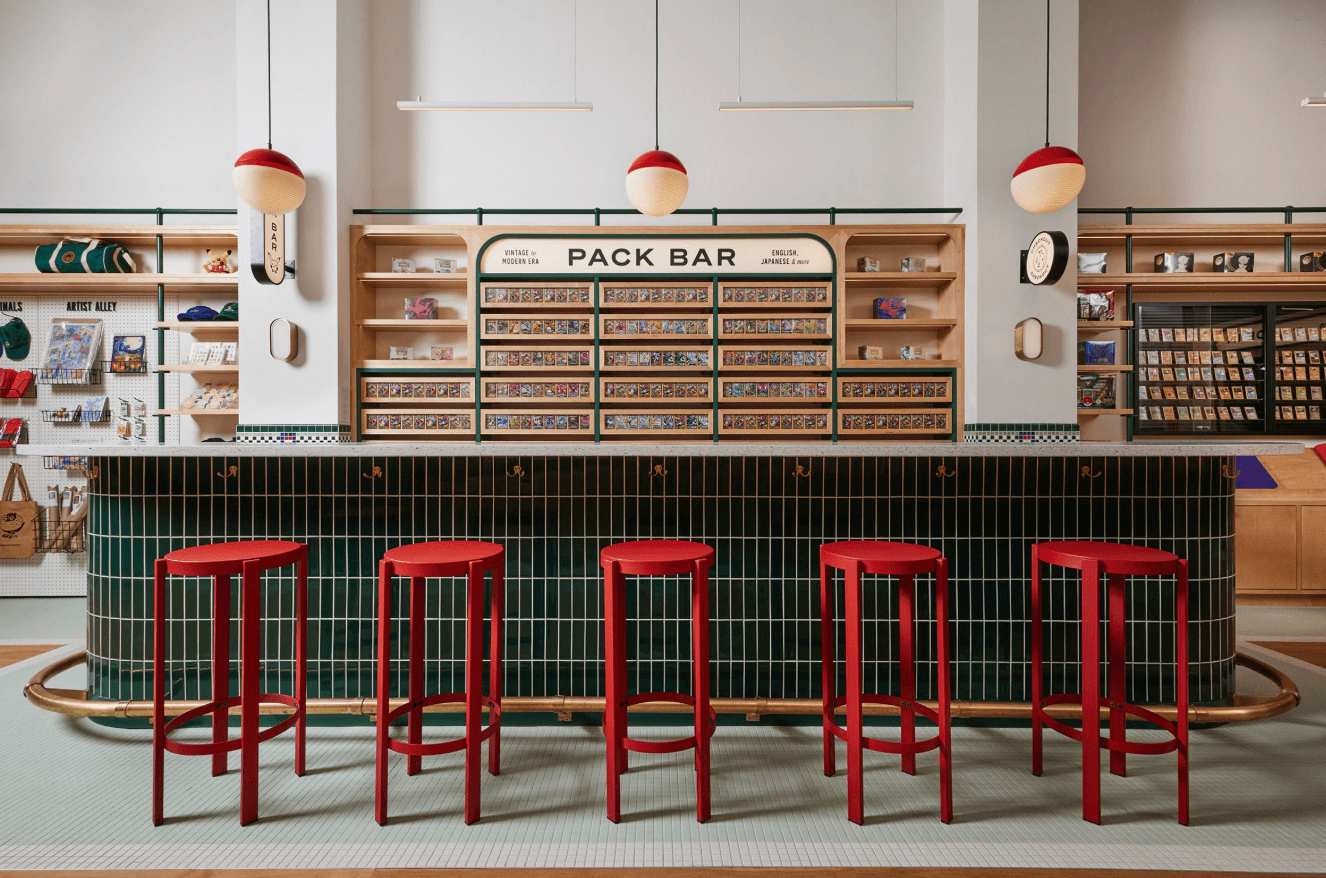
Poké Court, New York
Ffern approaches ritual in a different way, embedding it into the structure of the brand itself. With four limited-edition fragrance releases each year, tied to the rhythm of the seasons, the experience becomes cyclical and anticipated. Customers join a waiting list and receive each scent at a specific moment, participating in an ongoing narrative that connects product, time and place.
In both cases, the emphasis shifts from isolated interaction to repeated behaviour. Ritual creates familiarity and anticipation, turning engagement into something people actively return to.
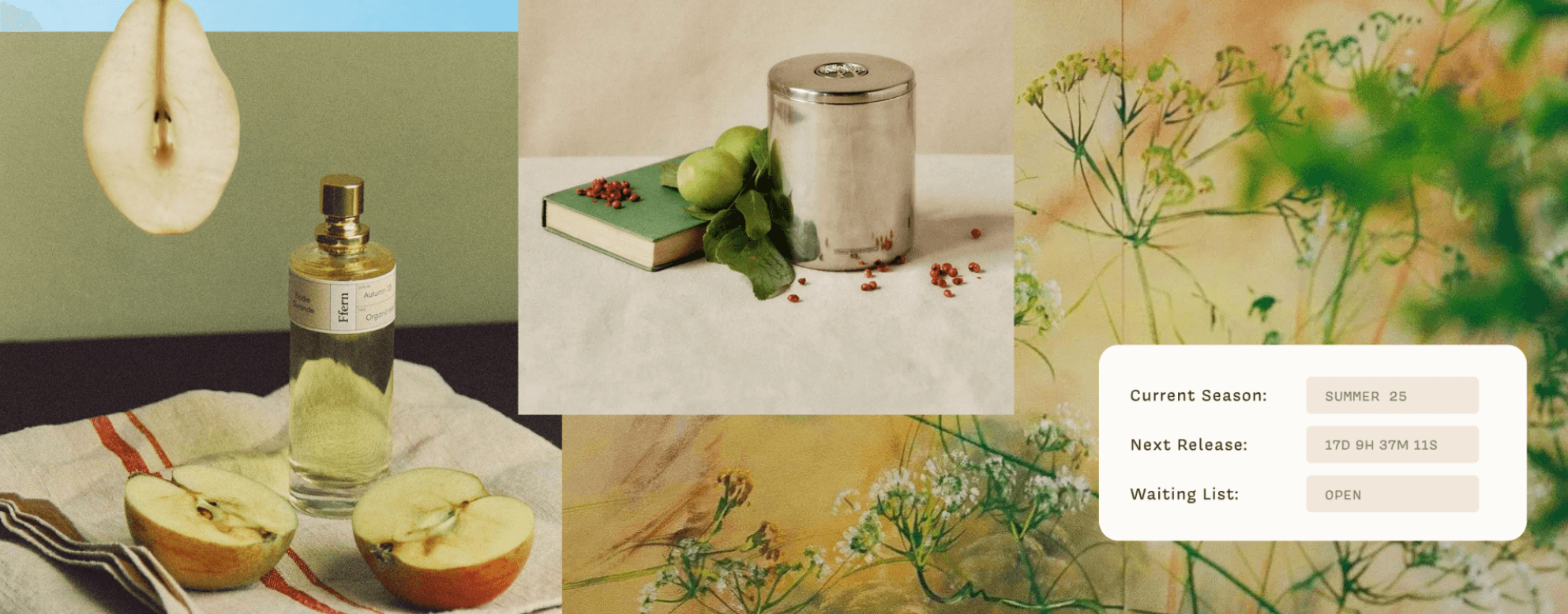
Ffern: Seasonal Fragrance Drops
Next Level Nature
As digital continues to shape more of everyday life, there is also a growing desire for physical grounding. Nature is being reinterpreted within retail and brand environments as a way to create balance, offering experiences that feel immersive, restorative and real.
113 Spring in SoHo reflects this shift by rethinking retail as something that evolves over time. Designed by Snøhetta as a living lab and wellbeing destination, the space is organised into a series of rooms focused on different states, from rest and recovery to movement and focus. Nature here is not a visual layer, but a framework for how the space operates and adapts.
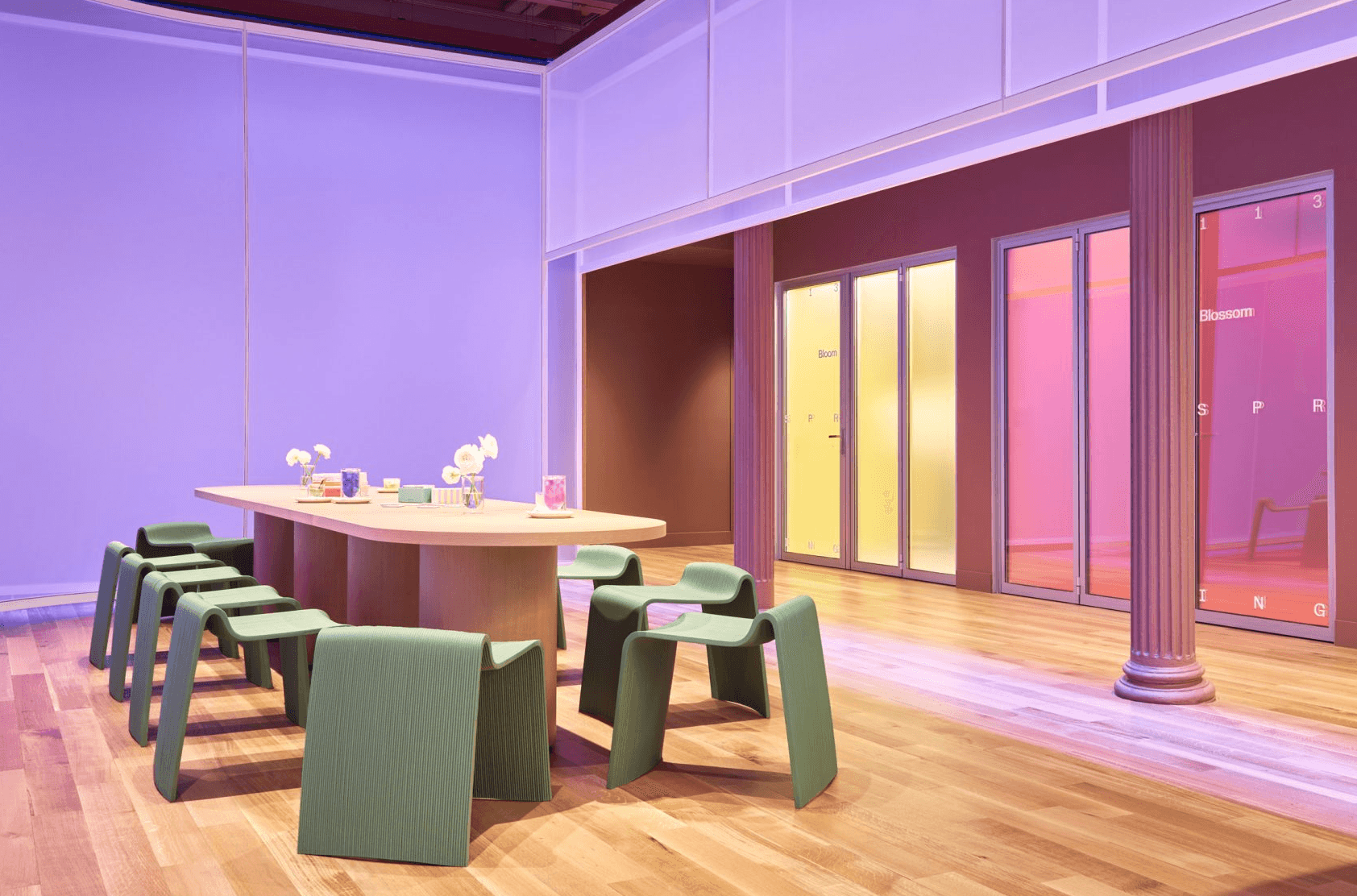
113 Spring: Concept Lab, Soho
Agency for Nature’s “Girls Just Wanna Grow Plants,” created with Leo Burnett, approaches this from a cultural perspective. Using the visual language of fashion, the campaign reframes nature as something aspirational and expressive, positioning plant care and slower living as an alternative to hustle culture for a younger audience.
These approaches reflect a broader shift. As digital becomes more pervasive, the value of physical, sensory experience increases, with nature offering a way to reconnect both physically and mentally.

Agency for Nature: Girls Just Wanna Grow Plants
Sonic Sustenance
Alongside this, brands are starting to focus more on how experiences feel at a sensory level, particularly through sound. As environments become more immersive, there is greater attention on how they influence mood, emotion and mental state.
Standard Bank’s “Undercover Ads” campaign, created with M+C Saatchi Abel, demonstrates how digital tools can be used to create more seamless, less disruptive experiences. Using AI, the campaign generated songs tailored to different music genres and playlists, embedding the brand message within tracks that felt native to the listening environment. Rather than interrupting, the ads blended in, becoming part of the experience itself.
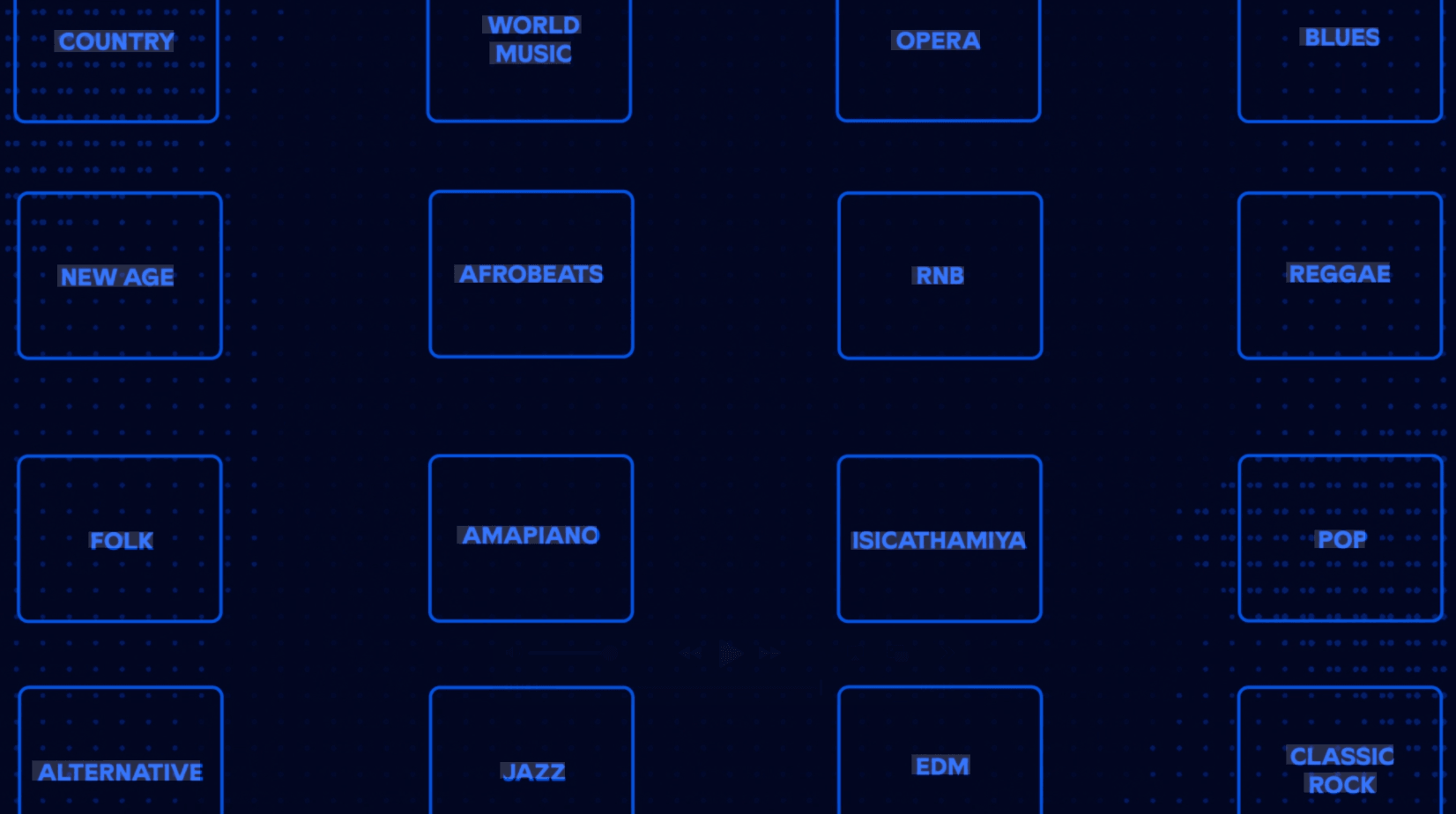
Standard Bank: The Undercover Ad
Platforms such as Open show how sound is being used to shape emotional and mental states through guided audio experiences. Combining voice, breath cues and layered sound, the platform creates structured sessions that help users slow down, regulate and focus. The experience unfolds over time, using rhythm and repetition to guide attention and build a consistent sense of calm and clarity.
In both cases, sound is not treated as an add-on, but as a core part of the experience. It is used to guide attention, shape pace and influence how a moment is felt over time. Whether more direct or more embedded, it works quietly in the background, creating atmosphere and helping to define the overall experience without needing to be foregrounded.
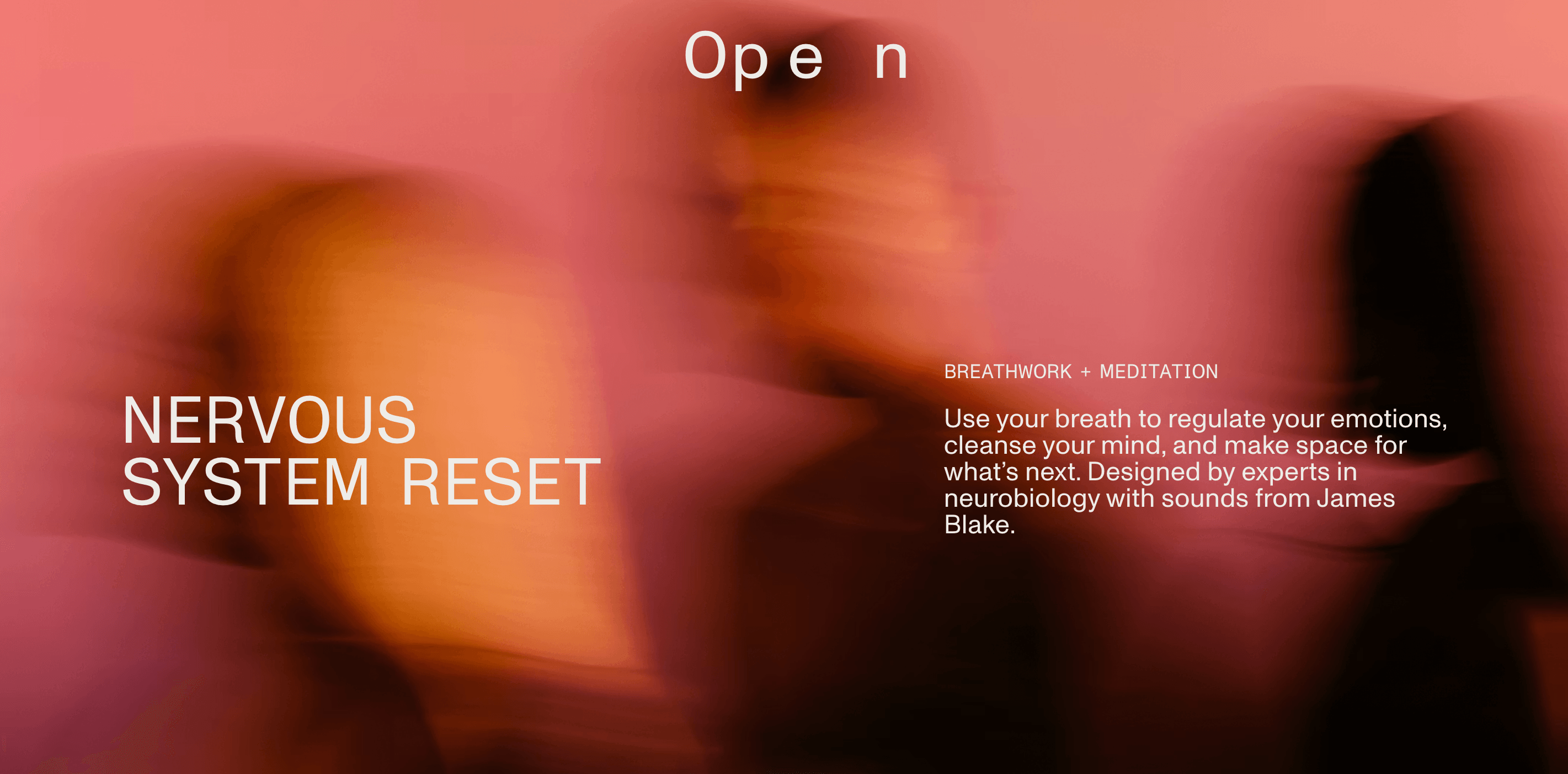
Open App: 21 Day Reset
Taken together, these shifts point to a clear change in direction, where the role of technology becomes less about visibility and more about what it enables. The focus is moving towards experiences that people can step into, return to and feel part of over time, shaped by emotion, ritual and environment.
For brands, this creates a bigger opportunity for digital and physical brand experience to work together more intelligently. Strong digital design supports the customer journey across online platforms, interactive experiences and physical environments, helping brands create a more connected omnichannel brand design experience.