News & Insights
Clerkenwell Design Week 2026
Sensory led design takes focus
Last week, our 3D team headed to Clerkenwell Design Week 2026, moving through panel discussions, workshops, guided tours and showroom activations across the three days.
Across the festival, one theme was difficult to miss. Sensory design was everywhere.
This felt like a clear response to the pace of our increasingly digital lives. As people spend more time moving through screens, there is a growing appetite for spaces that feel more physical, more emotional and more human. Within retail, hospitality and workplace design, this is placing more value on texture, sound, scent, atmosphere and the details that connect with people beyond the visual.
Sensory Beings
One of the clearest conversations around this came through Sensory Beings, part of Conversations at Clerkenwell, which brought together voices from food and beverage, furniture, interiors and experience design.
Chaired by Sonia Zhuravlyova, editor and design writer at OnOffice, the panel included Sam Bompas, co founder of Bompas & Parr, Pallavi Dean, founder and creative director at Roar, Franky Rousell, founder and CEO at Jolie Studio, and Iben Wistrup Schwaner, co CEO at NORR11.
What made the discussion interesting was the way it moved past sensory design as a trend and into a more useful conversation about intention. Sensory design is often spoken about through feeling, instinct and atmosphere, but the panel questioned how far intuition can take a space on its own. A room can feel good, but it also has to work well, support the people using it and serve the purpose of the environment.
This balance between instinct and evidence felt especially relevant for commercial spaces. In retail, hospitality and workplace design, sensory choices can support dwell time, comfort, focus, movement, brand recall and emotional connection. When these choices are backed by a clear understanding of behaviour, they become more than atmosphere. They become part of how the space performs.
Memory was another strong thread. The panel explored how sensory layers can create a deeper impression than visuals alone, giving people emotional cues that help them remember a space long after they have left it. Research by Jolie Studio, cited by The Spaces, suggests that multi sensory environments can be up to 70% more memorable than visually led spaces, while Audio Branding Academy research points to sound logos being recognised up to eight times faster than visual logos. Across Clerkenwell, this felt especially relevant, with brands using audio, fragrance, materiality and immersive details to build a stronger sense of place.
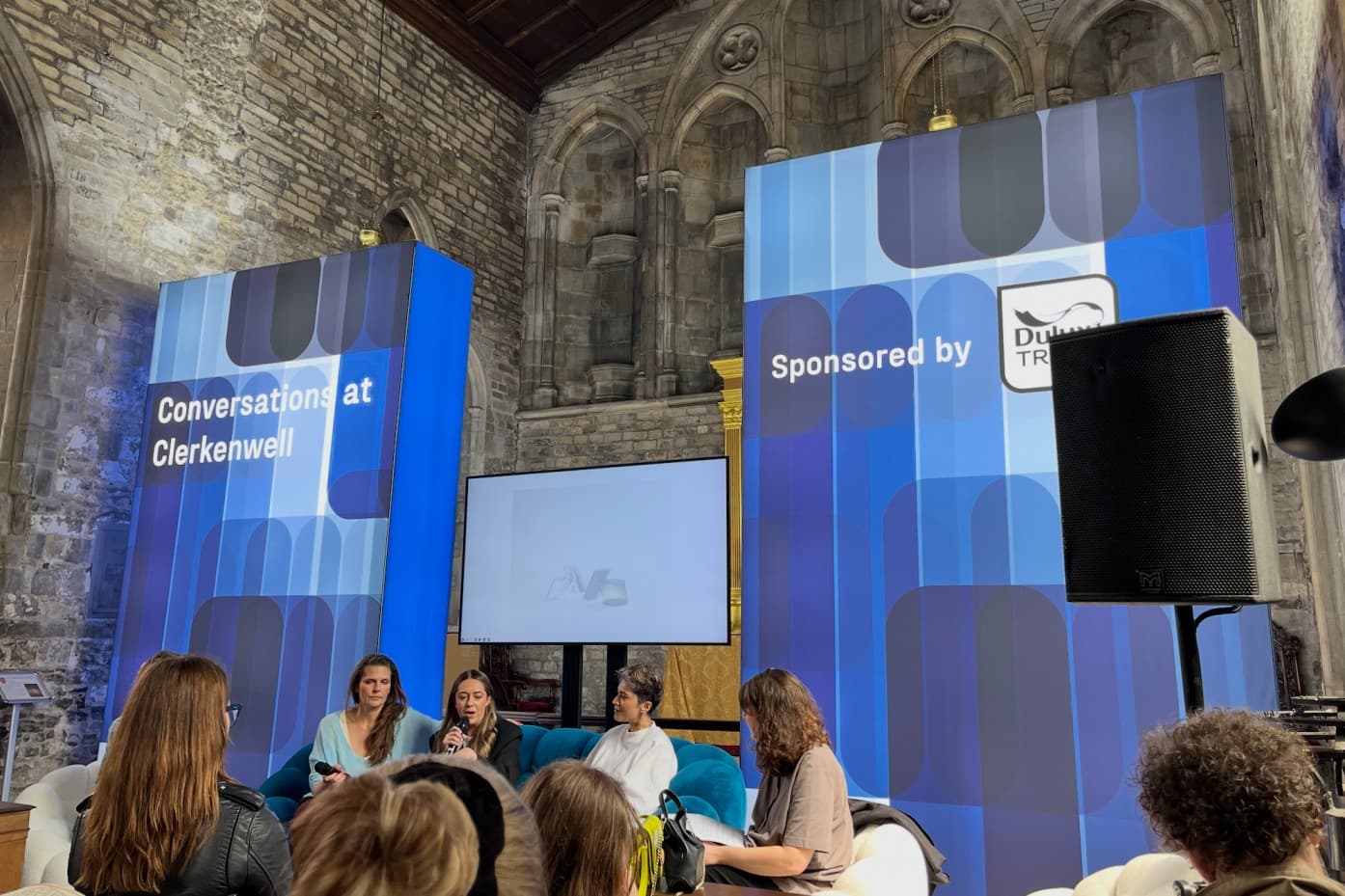
Sensory Beings panel, CDW 2026
The discussion also touched on culture and nostalgia, and how personal history can shape the way people respond to sensory cues. What feels warm, premium, familiar or calming can vary depending on background, geography and memory. Scandinavian design was referenced as one example, with its use of timber, natural textures and simplicity linked to long, dark Northern European winters and a desire for warmth, softness and balance within the home.
For us, the strongest takeaway was that sensory design is most powerful when it is considered from the beginning. It should have a role, a reason and a relationship to the people using the space. When handled with intention, it can influence how people feel, how they behave and what they remember.
Sound, Scent and Showroom Storytelling
At Domus, Cake Architecture radically transformed the showroom into a multidimensional installation shaped by immersion, collaboration and collective experience.
Across the three days, the space evolved through a different typology and atmosphere. Day one became a gallery, day two shifted into a listening room and day three moved into a club. This changing format gave the showroom a sense of momentum, with sound and shared experience becoming central to how people moved through and understood the space.
The audio programme added another layer to this. Each evening was curated by a different collective, with Tango, Big Ears and Shady Sisters each bringing their own approach to sound, rhythm and communal energy. From Jules Archard’s Proto/Synthesis presentations to DJ sets, sonic interventions and Jazreena Harlow’s immersive soundscapes, the installation traced a journey from proto to synthesis.
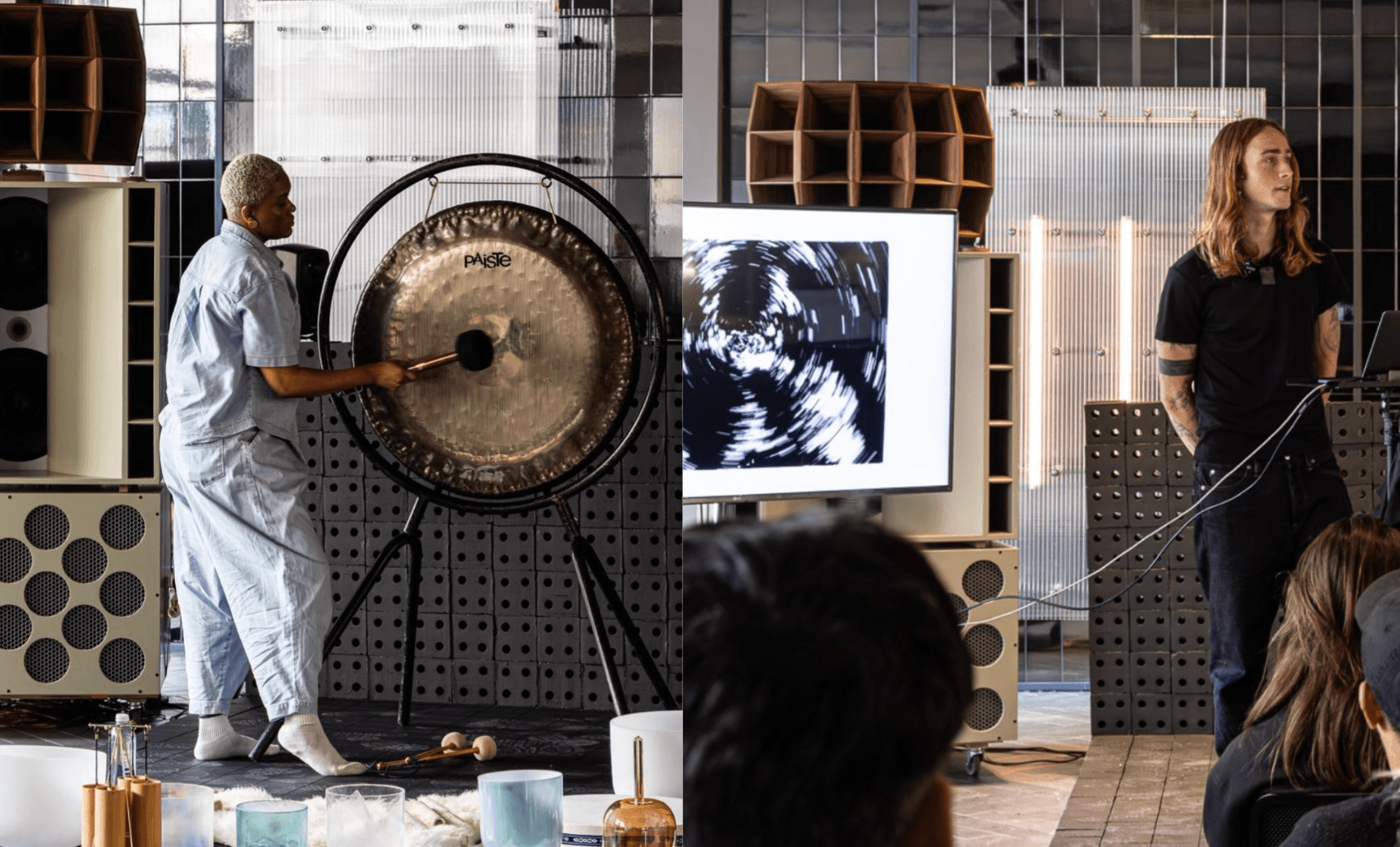
Domus, 2026
What stood out was how confidently Domus used sound to shape atmosphere. The showroom was no longer a static product environment. It became a changing social space, moving between reflection, listening and nightlife culture. In the context of Clerkenwell, this felt especially relevant, pointing to a wider appetite for grounded, sensory experiences in an increasingly digital world.
Daily talks expanded this idea further, exploring design futures, embodied photography with Evan Purdy and nightlife’s role in collective transcendence with Francesca Mamino. Together, the programme positioned sound as more than a background layer. It became a way to create mood, encourage gathering and turn the showroom into a shared experience.
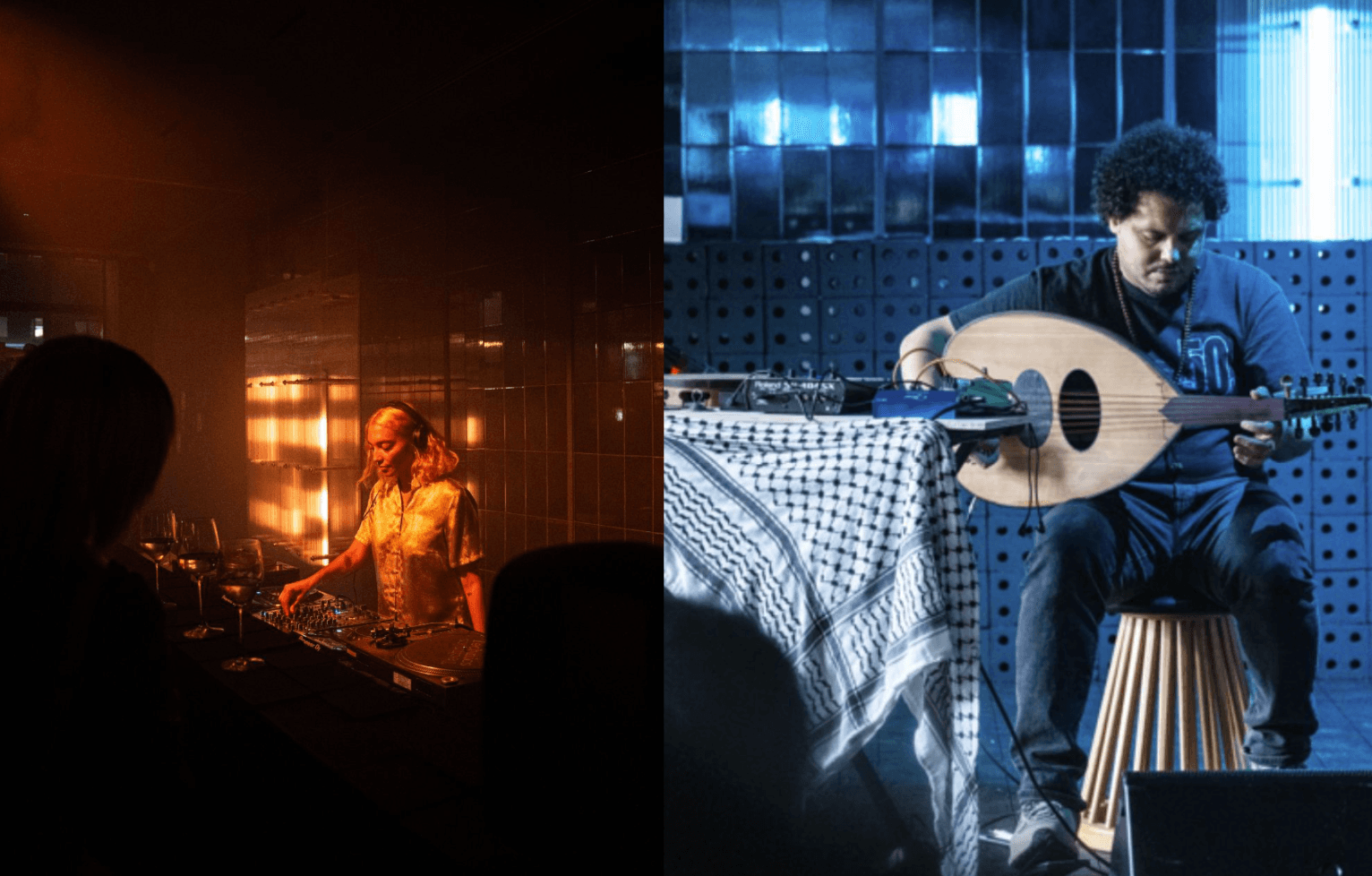
Domus, 2026
During a guided tour with Material Bank, taking us through eight different showrooms, we saw the same thinking appear through product storytelling and material direction. Softer finishes, organic forms and natural references appeared throughout the route, suggesting a move towards spaces that feel more tactile, more grounded and less showroom led.
Villeroy and Boch, together with Ideal Standard, stood out for the way they placed water, wellness and sensory experience at the centre of their Clerkenwell presence. Alongside the latest bathroom collections at the London Design and Specification Centre, the brands partnered with Dezeen on Shaping Water, a programme of exhibitions, talks and installation design exploring the relationship between water, wellbeing and spatial experience.
This included Harmonic Tides, the winning installation by Arthur Mamou Mani at St John’s Gate. Formed from two undulating 3D printed walls, the installation used ripple like geometry, LED lighting and gentle music to create the feeling of moving through an underwater world.
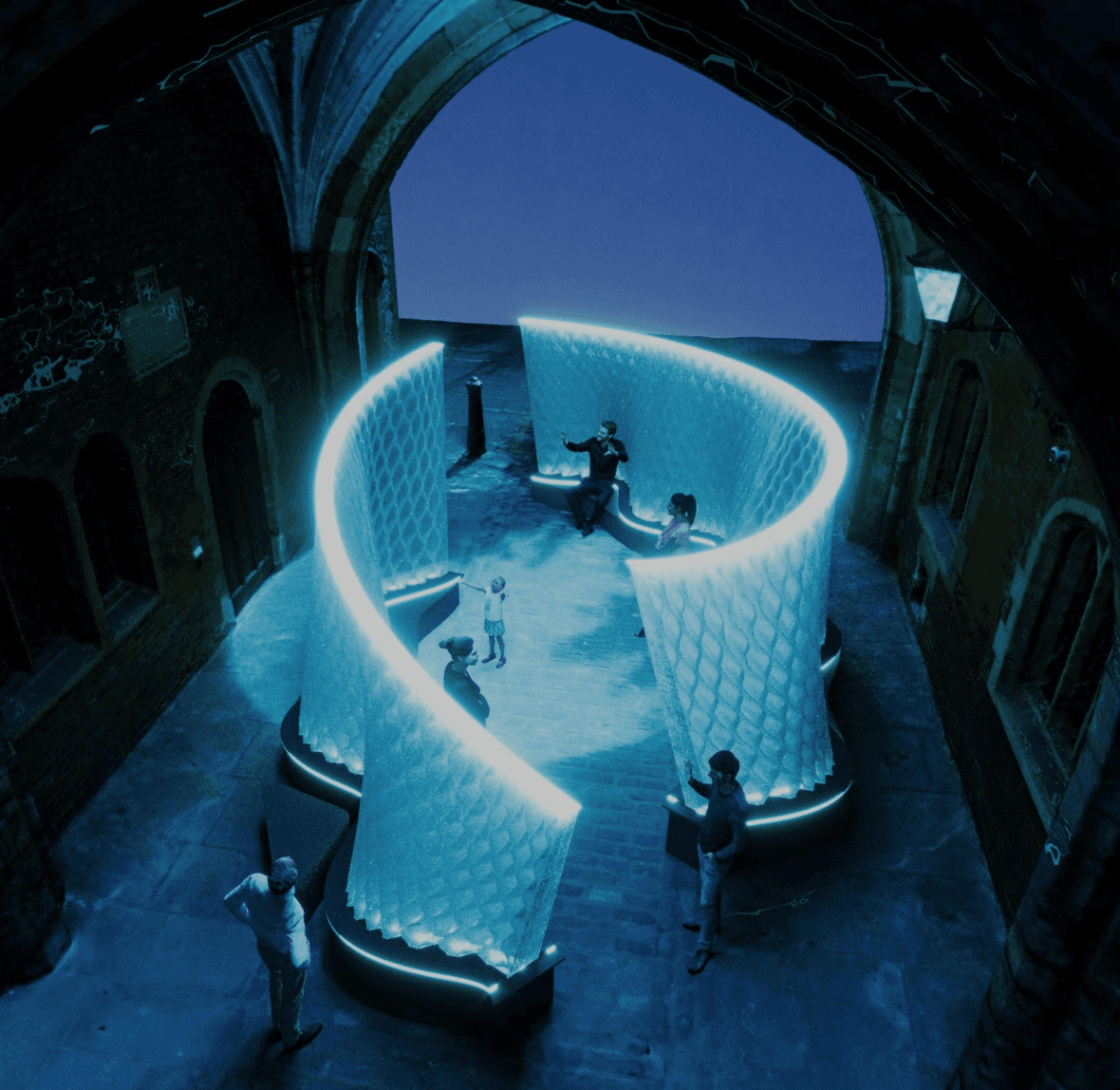
Harmonic Tides, Dezeen 2026
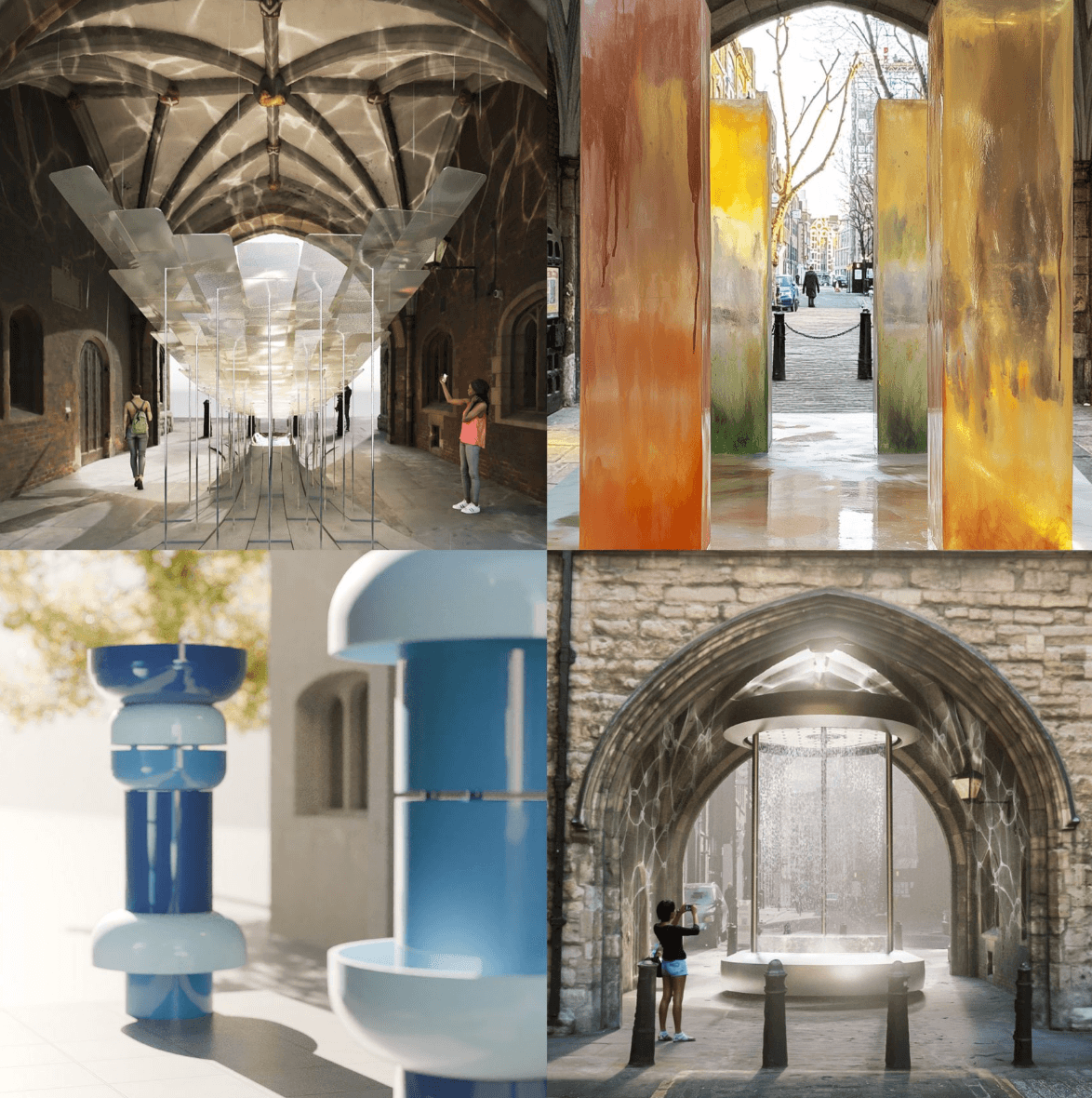
Shaping Water Exhibition, Dezeen 2026
Together, the showroom, exhibition and installation showed how brands are moving beyond simply presenting new ranges. They are building worlds around them, using material, sound, light and setting to give products more context and more emotional weight.
Design You Can Feel
Tile of Spain and Foundations in Flow brought this idea into softer, more reflective settings. Tile of Spain’s Secret Garden placed ceramic materiality within the context of a churchyard garden, using planting and texture to give the collection a calmer, more atmospheric presence.
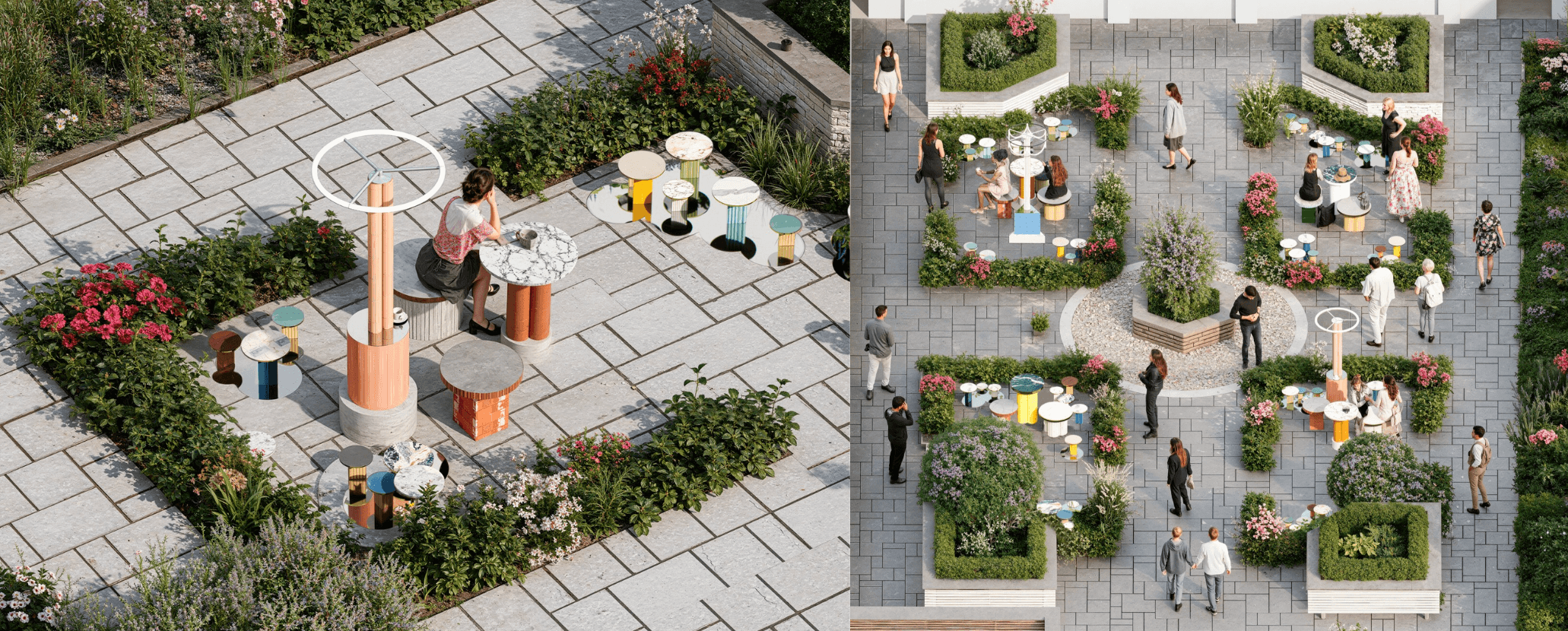
Tile of Spain, 2026
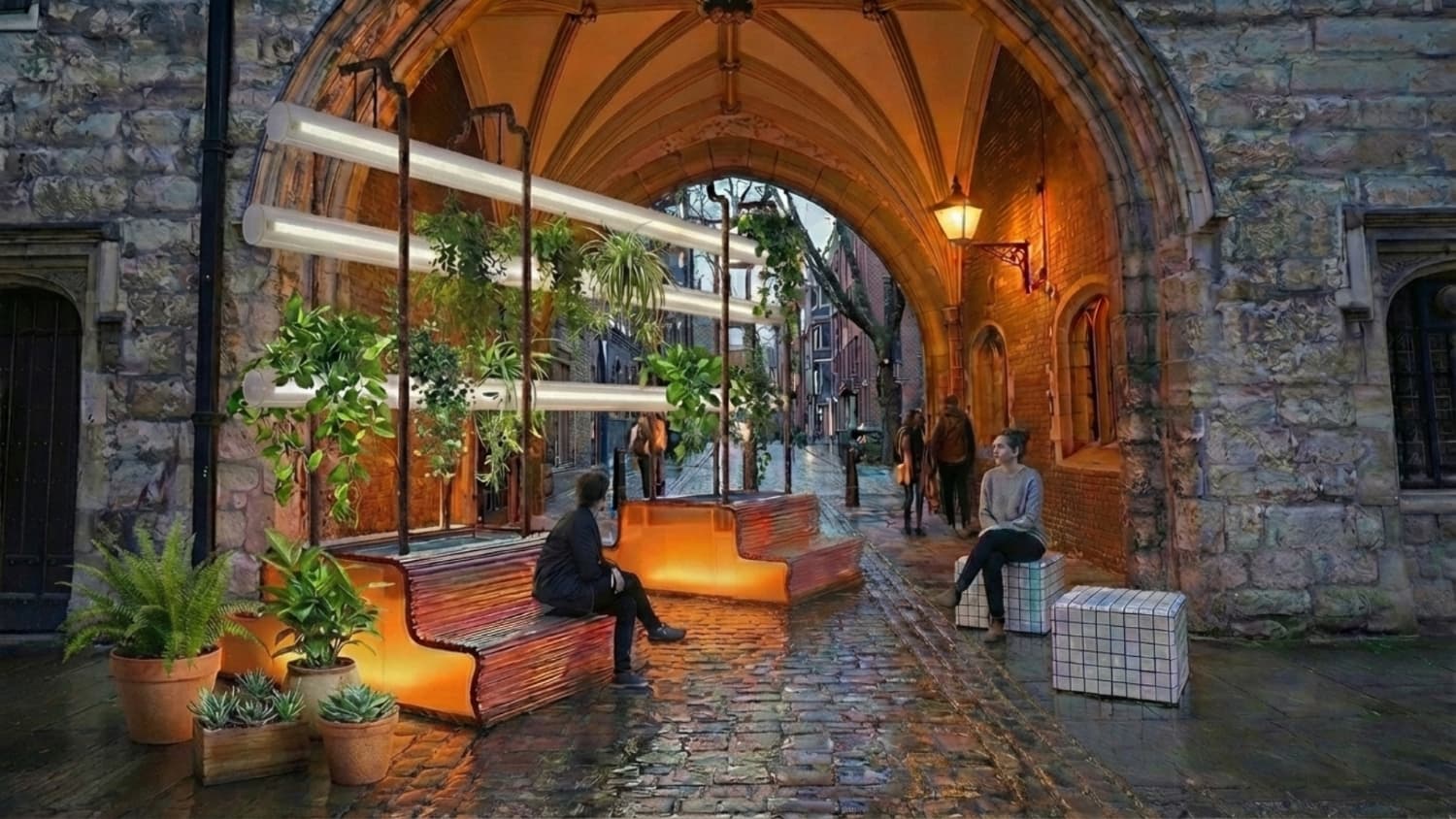
Foundations in Flow, CDW 2026
At St David’s Gate, Foundations in Flow combined corrugated polycarbonate panelling with planting, water and a gentle watery soundtrack, creating a moment of pause within the movement of the festival.
Both installations had an understated quality. Simple sensory elements, from planting and texture to sound and atmosphere, were used with care, changing the pace of the experience and giving visitors a more grounded way to connect with the work.
That felt like one of the most interesting takeaways from Clerkenwell. Sensory design creates impact through the way people feel, move and remember a space. It gives physical environments more depth, helping them feel more comfortable, more connected and more engaging. This is something we continue to explore through our own work.
Sensory Thinking in Our Own Work
At Huawei’s flagship offices in central London, we created a flexible workspace for the brand’s creative, marketing and development teams across the UK and Europe. The space needed to support collaboration, formal meetings, quiet focus and informal conversations, while still feeling inspiring and personal to the teams using it every day.
A thoughtful layout allowed us to create a series of distinct zones, each with its own role and character. Communal areas made the most of the London skyline and encouraged teams to come together, while quieter spaces gave people the option to step away and focus.
This sensory approach came through in spaces such as The Social on Level 7, which was designed to give people a change of scene away from their desks. The area included bright red wall cushions that acted as a visual mood booster, while lightly dispensing energising scents to help stimulate focus and productivity. Colour, touch and scent work together to shift the feeling of the workspace, supporting focus, wellbeing and the way people move through their day.
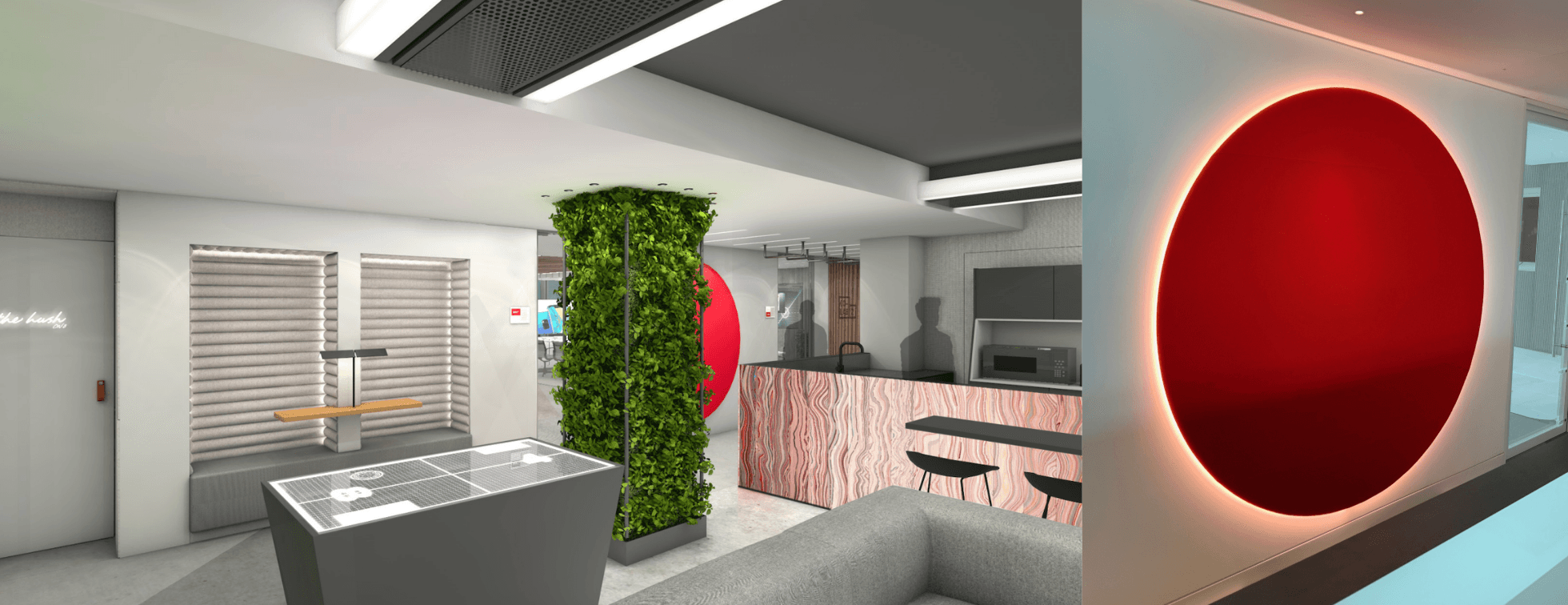
Huawei, The Social
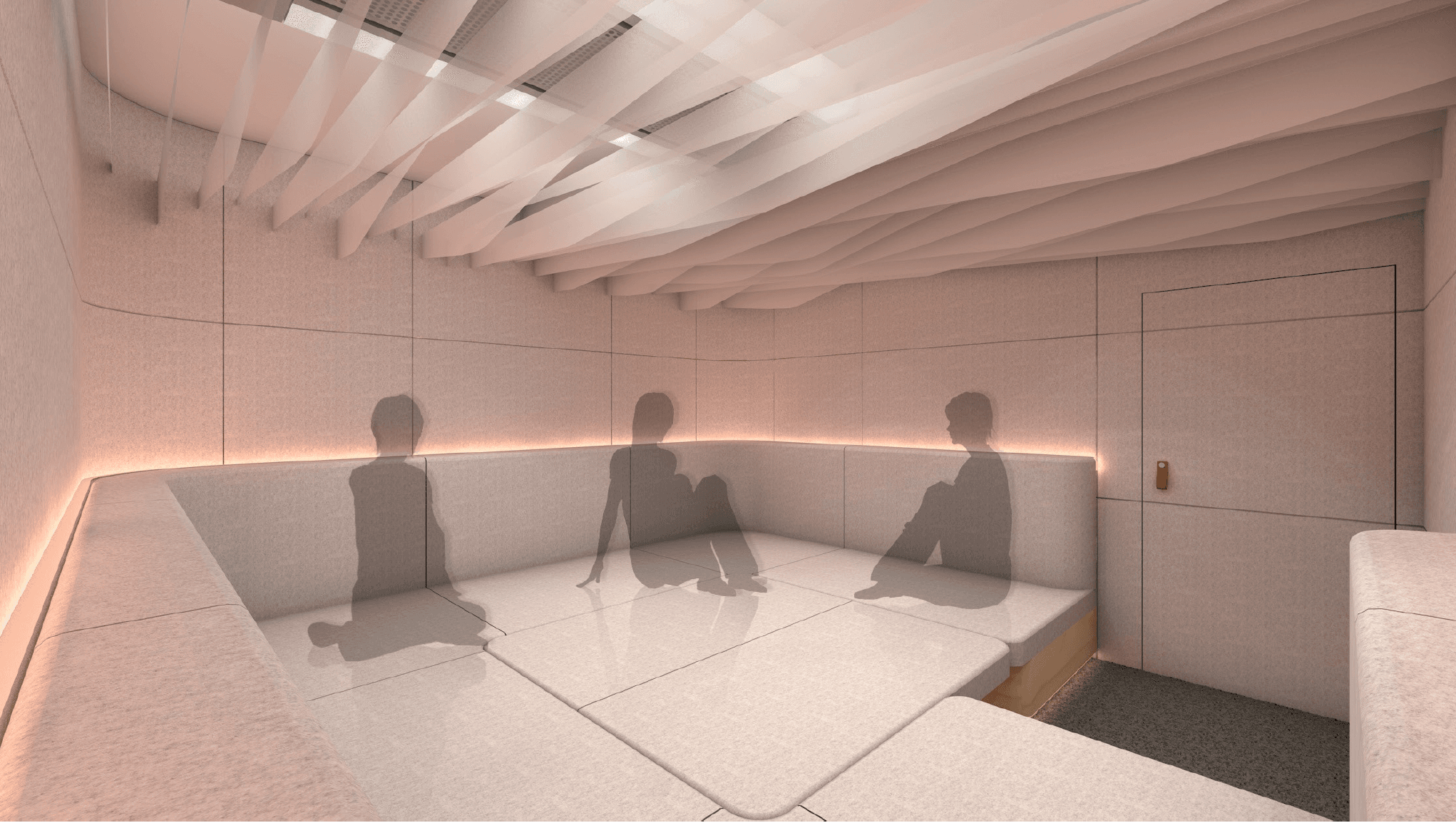
The Hush Pod meeting room on the eighth floor was designed as part of the same approach. Soundproofed and enclosed, it creates a calm pause within a busy studio environment, offering a place for solo breaks, focused thinking or group meetings without screens.
Huawei, The Hush Pod
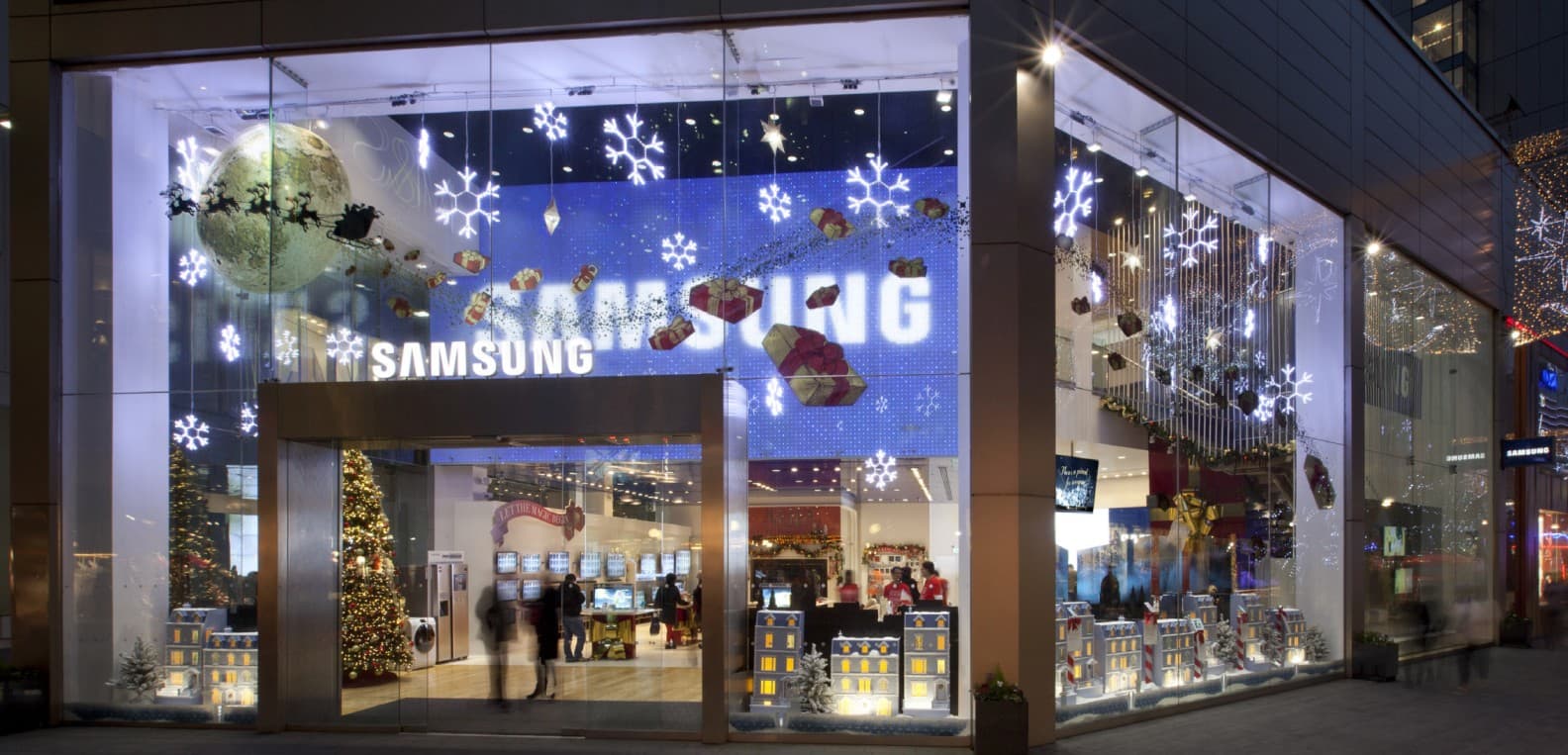
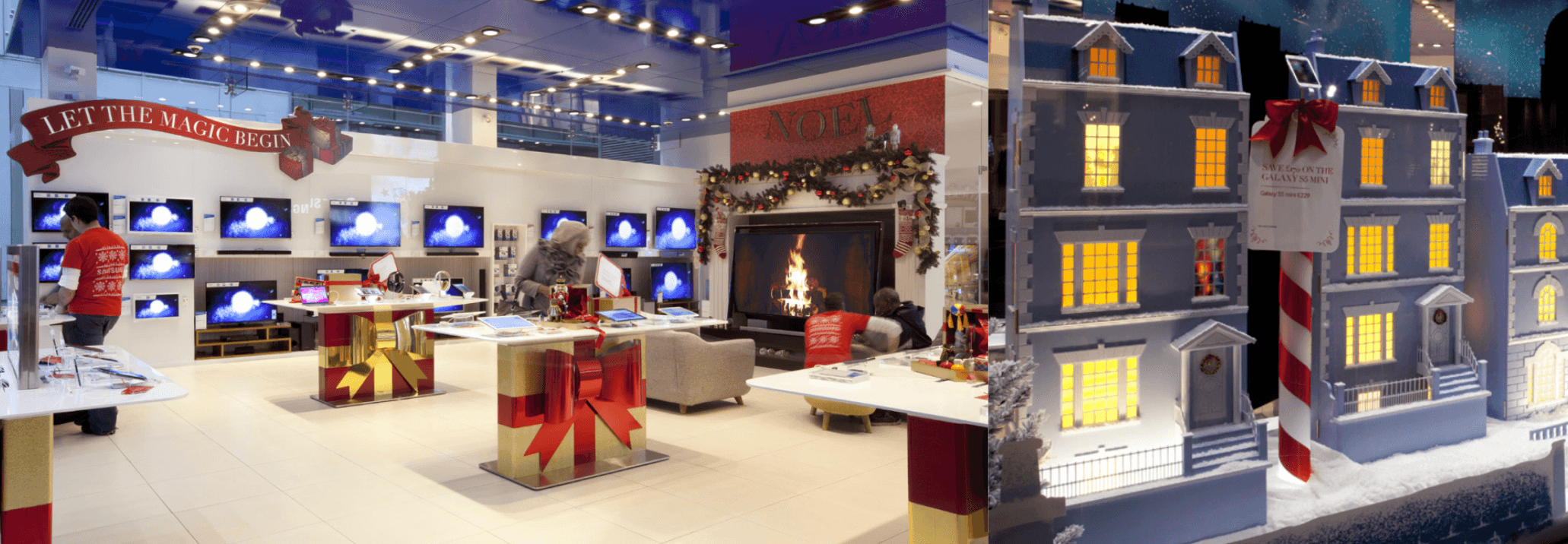
For Samsung, the sensory approach was more atmospheric. As part of a Christmas campaign for the Samsung Brand Store, we transformed the space into a magical Christmas Eve scene, using intricate animations, three dimensional elements and bold graphics to position the flagship store as the ultimate gifting destination for the season.
To make the experience more immersive, the scent of pine was introduced throughout the store. This added a familiar seasonal cue to the campaign, connecting the visual world of the installation with the memory of Christmas and making the space feel more festive, emotional and memorable.
Samsung Christmas Campaign, Exterior Storefront
Samsung Christmas Campaign, In Store Experience
Across both projects, sensory details had a clear purpose. At Huawei, colour, scent, softness and acoustic control helped support focus, wellbeing and different ways of working. At Samsung, scent added atmosphere and emotion, strengthening the storytelling around the campaign and creating a more memorable retail experience.
Clerkenwell Design Week reinforced how sensory design is becoming an increasingly important part of the way brands shape experiences. Across installations, showrooms and commercial spaces, the most memorable environments engaged people on multiple levels, using sound, scent, materiality, texture and atmosphere to create stronger emotional connections. The examples on show demonstrated how considered sensory details can influence the way people move through a space, interact with a brand and remember an experience, bringing an added depth that extends beyond the visual alone.