News & Insights
Brands, Off the Feed
Brands are redefining how they show up at events, moving beyond presence and immersing themselves into the experience itself. The shift is moving from visibility to participation, where value is created by meeting people through shared, real world experiences beyond the screen.
As advertising campaign strategy becomes more integrated, the strongest brand moments are being built across physical spaces, cultural context and digital amplification.
For a long time, brand activity around events followed a familiar pattern, with sponsorship securing presence and branding delivering visibility, leaving brands adjacent to the experience rather than part of it. That model is giving way to something more active, where events are treated as platforms for engagement and brands are expected to contribute through participation, utility, and atmosphere, supported by technology that enables the moment without overtaking it.
Seen through this lens, events like Coachella 2026 and the London Marathon 2026 are not just cultural or sporting moments, they are indicators of a broader shift, where brands across very different contexts are treating the event itself as the medium through which connection is built.
Coachella 2026
Aperol Day Club
Aperol introduced its Day Club as a social hub within the festival, creating a space defined by atmosphere, music, and shared energy rather than overt brand messaging. Positioned as a gathering point, it functioned less like an activation and more like a destination, where people could spend time, connect, and become part of a collective moment. This reflects a broader shift towards brands acting as hosts, designing environments that people choose to inhabit, with technology quietly supporting the experience rather than leading it.
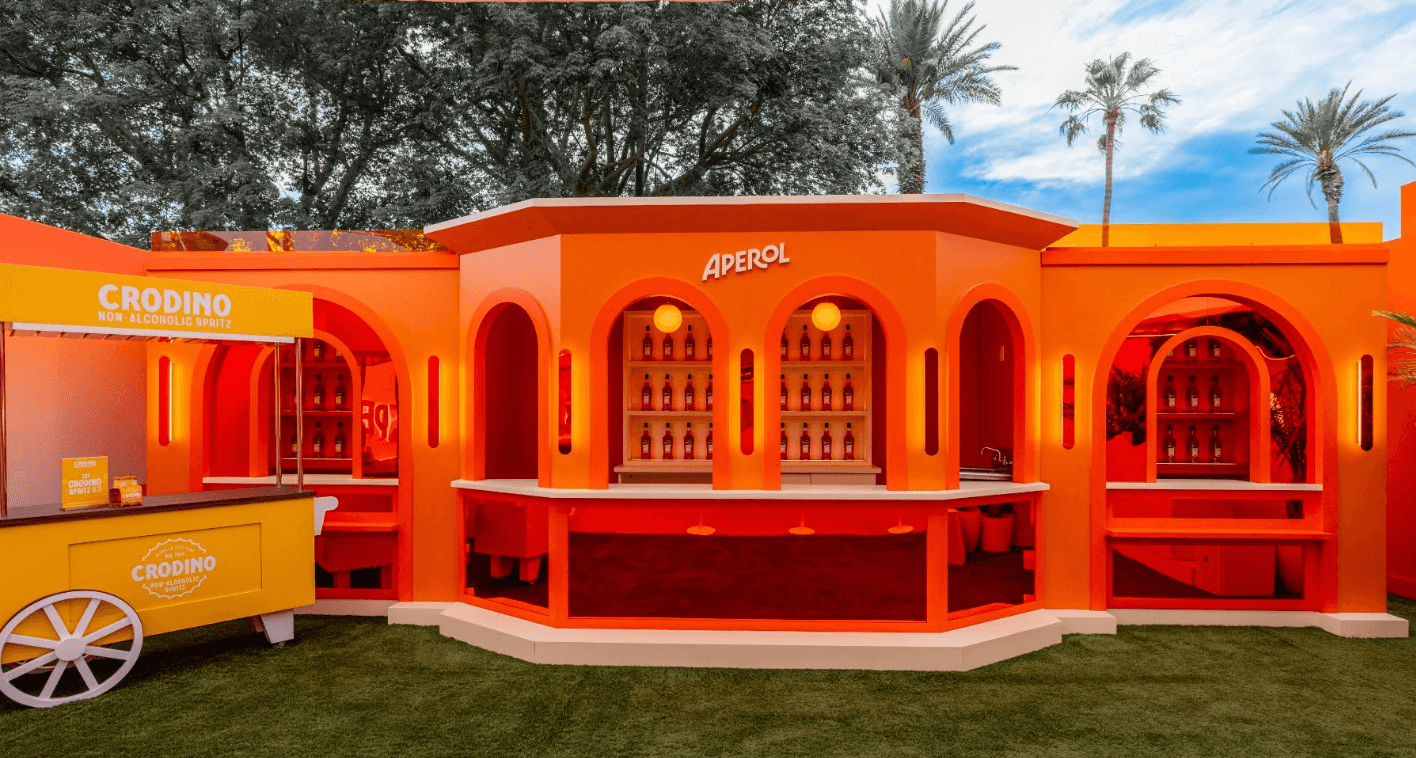
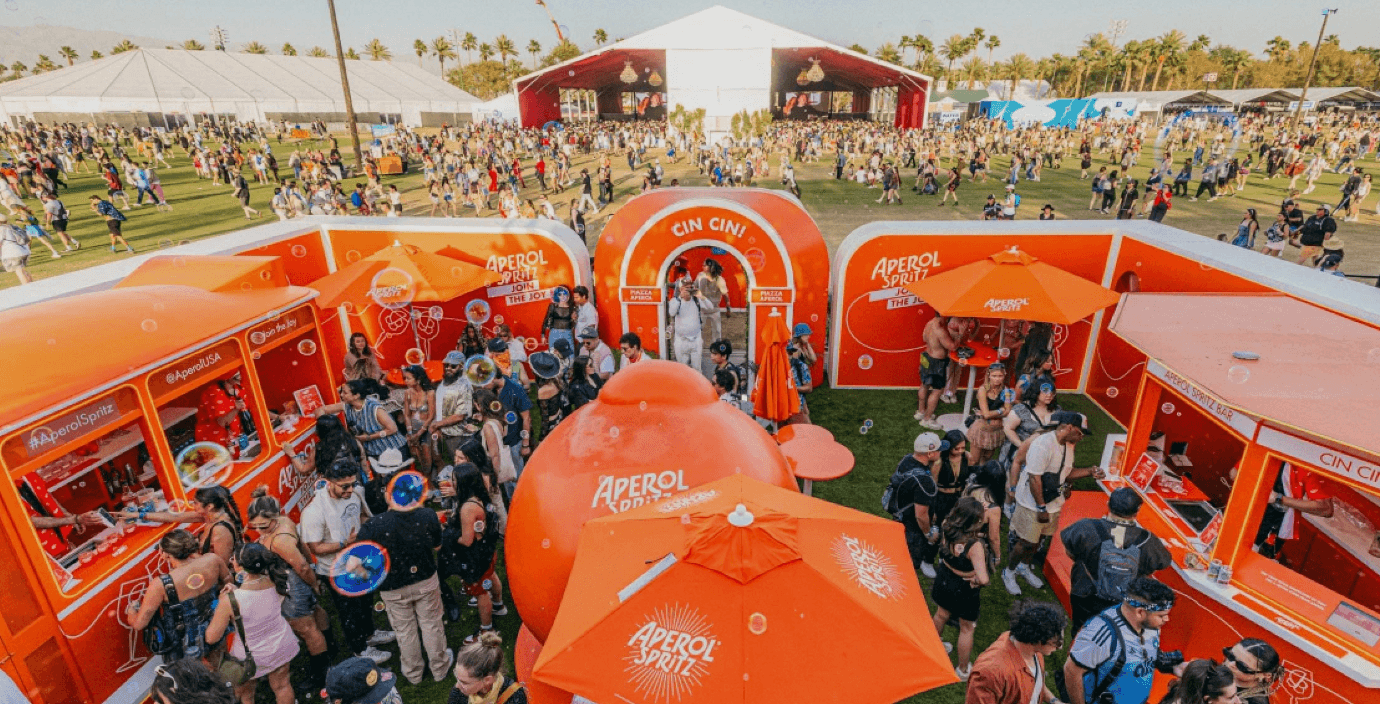
Aperol Day Club, Coachella 2026
Barbie
Barbie’s activation translated its cultural momentum into a fully immersive environment that blended physical installation, influencer presence, and digital amplification into one cohesive experience. Anchored by personalities like Paris Hilton and built around themes of identity and self expression, the space encouraged visitors to step into the brand world and actively participate in it. What made it effective was the balance between spectacle and storytelling, creating a moment that felt both immediate and extendable, where physical presence drove engagement and digital carried it further.
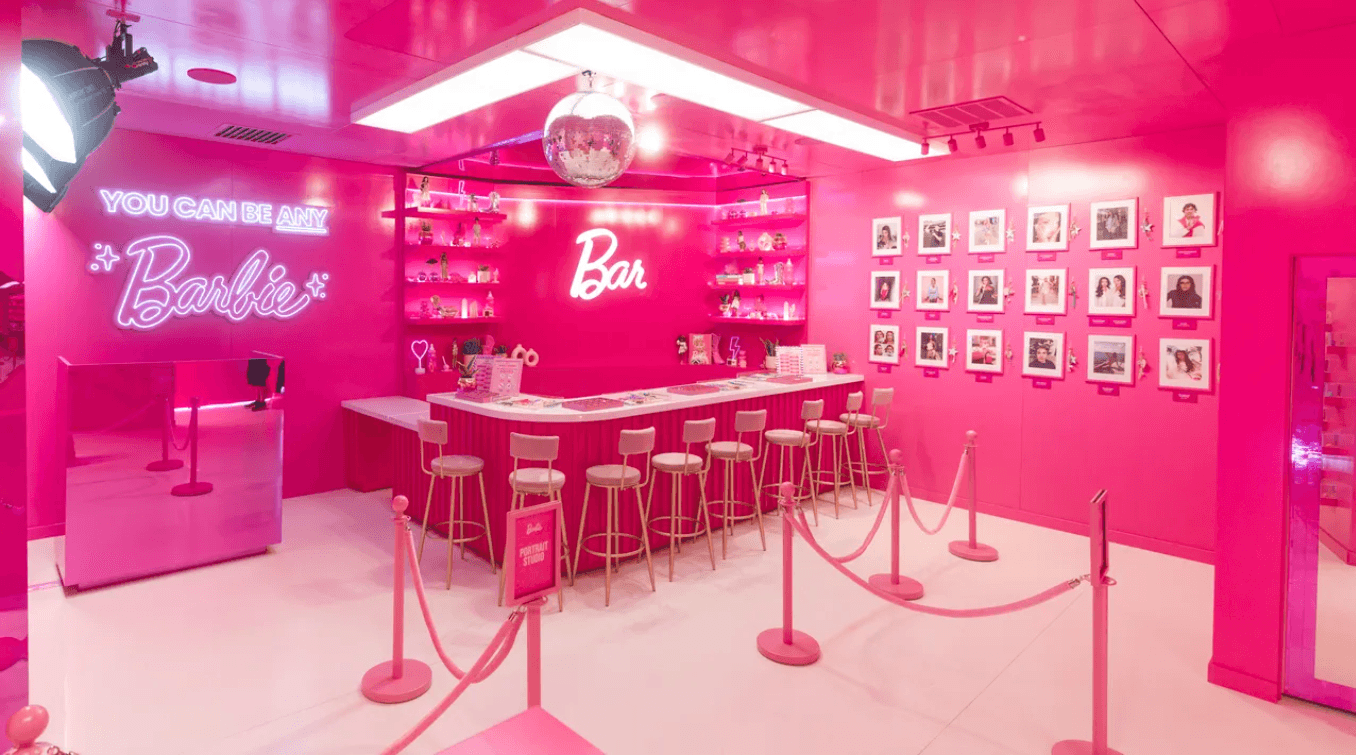
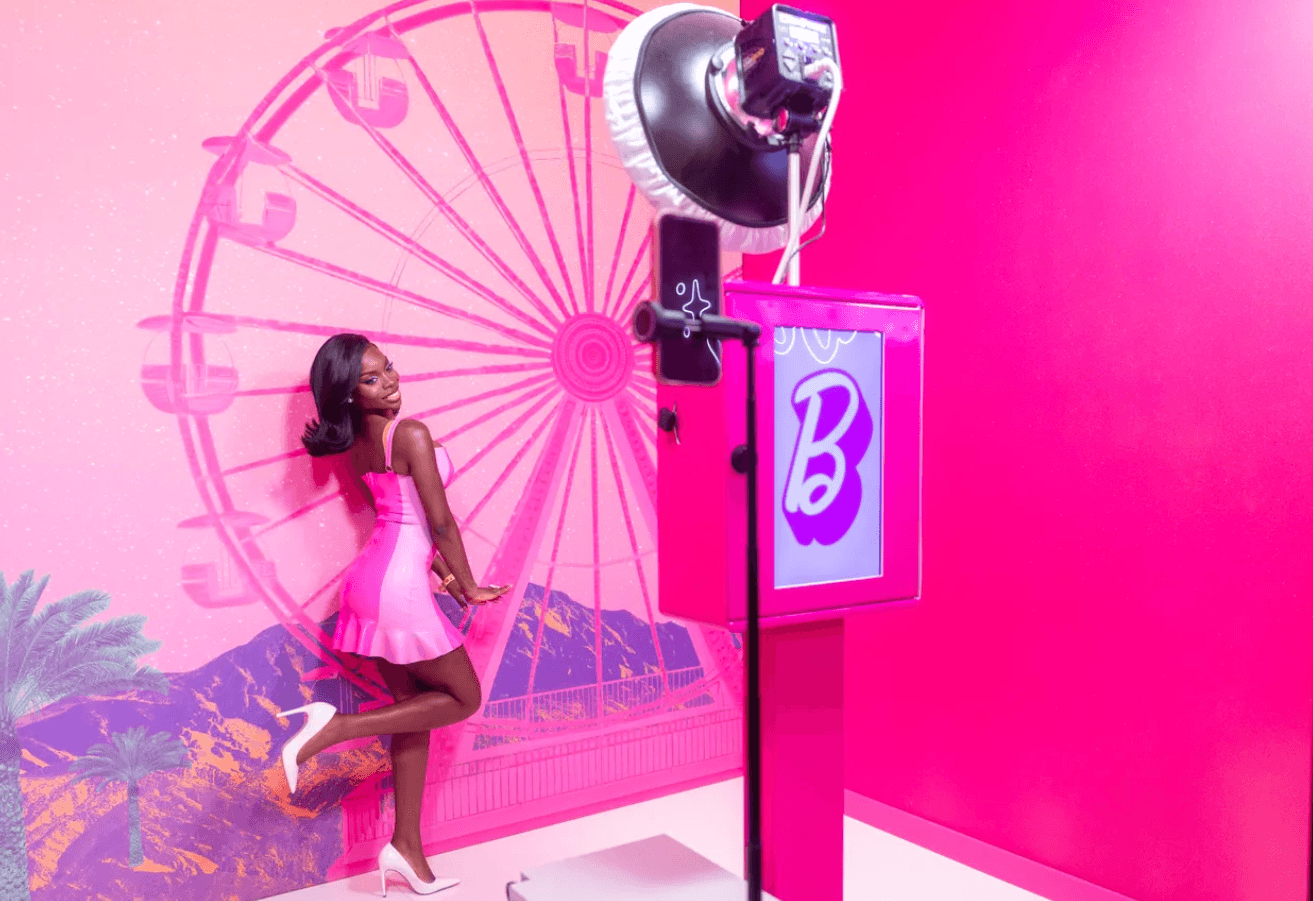
Barbie, Coachella 2026
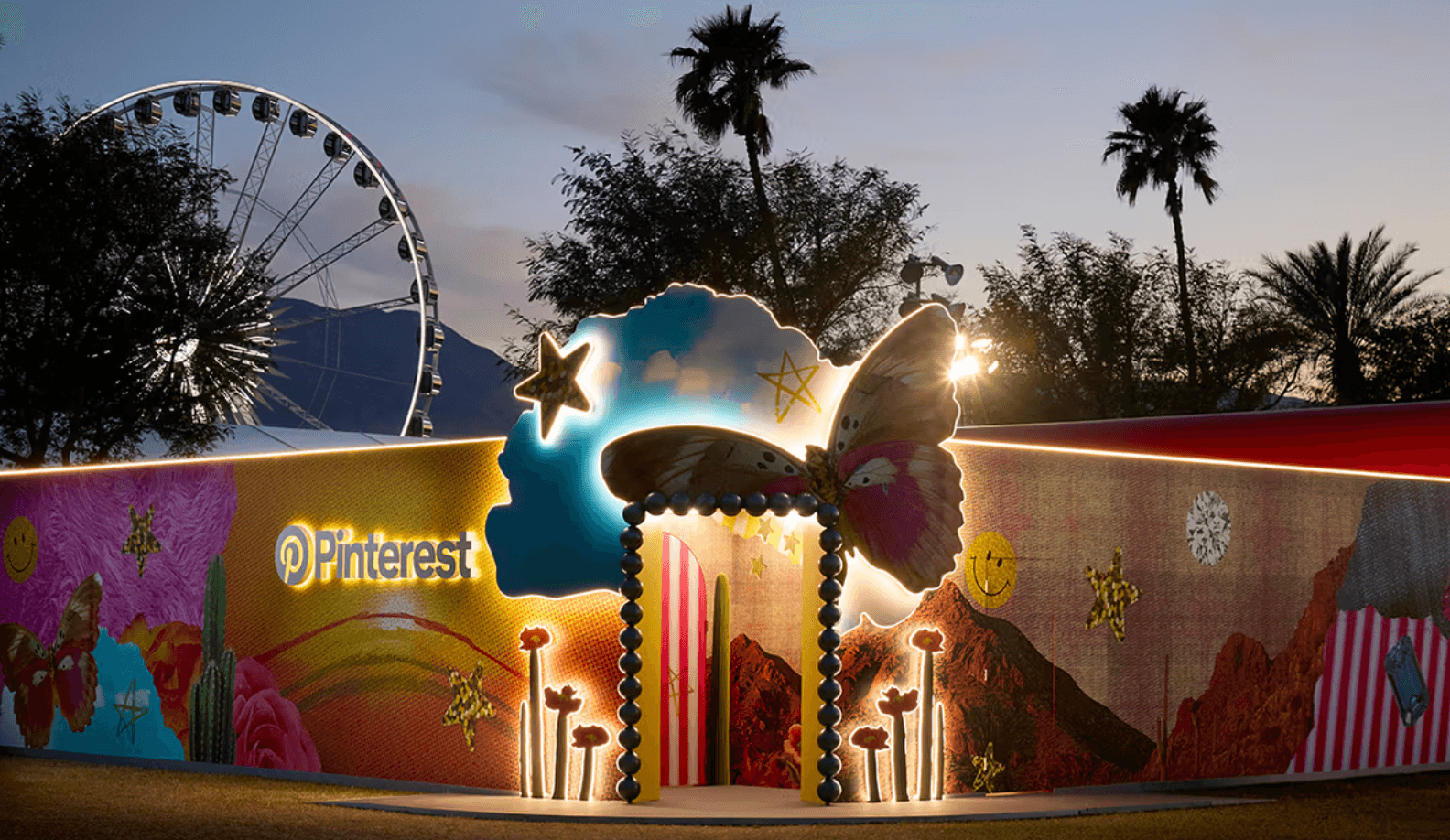
Pinterest took a deliberately counterintuitive approach by creating a completely phone free space at the festival, inviting attendees to step away from constant content capture and instead engage in analog activities such as crafting, styling, and hands on discovery. This move was not just a novelty, but a direct response to the way festivals have become mediated through screens, positioning presence and memory over documentation. By removing phones entirely, Pinterest reframed its own role, shifting from a digital inspiration platform to a facilitator of real world experience, demonstrating that technology can be most powerful when it encourages people to disconnect from it.
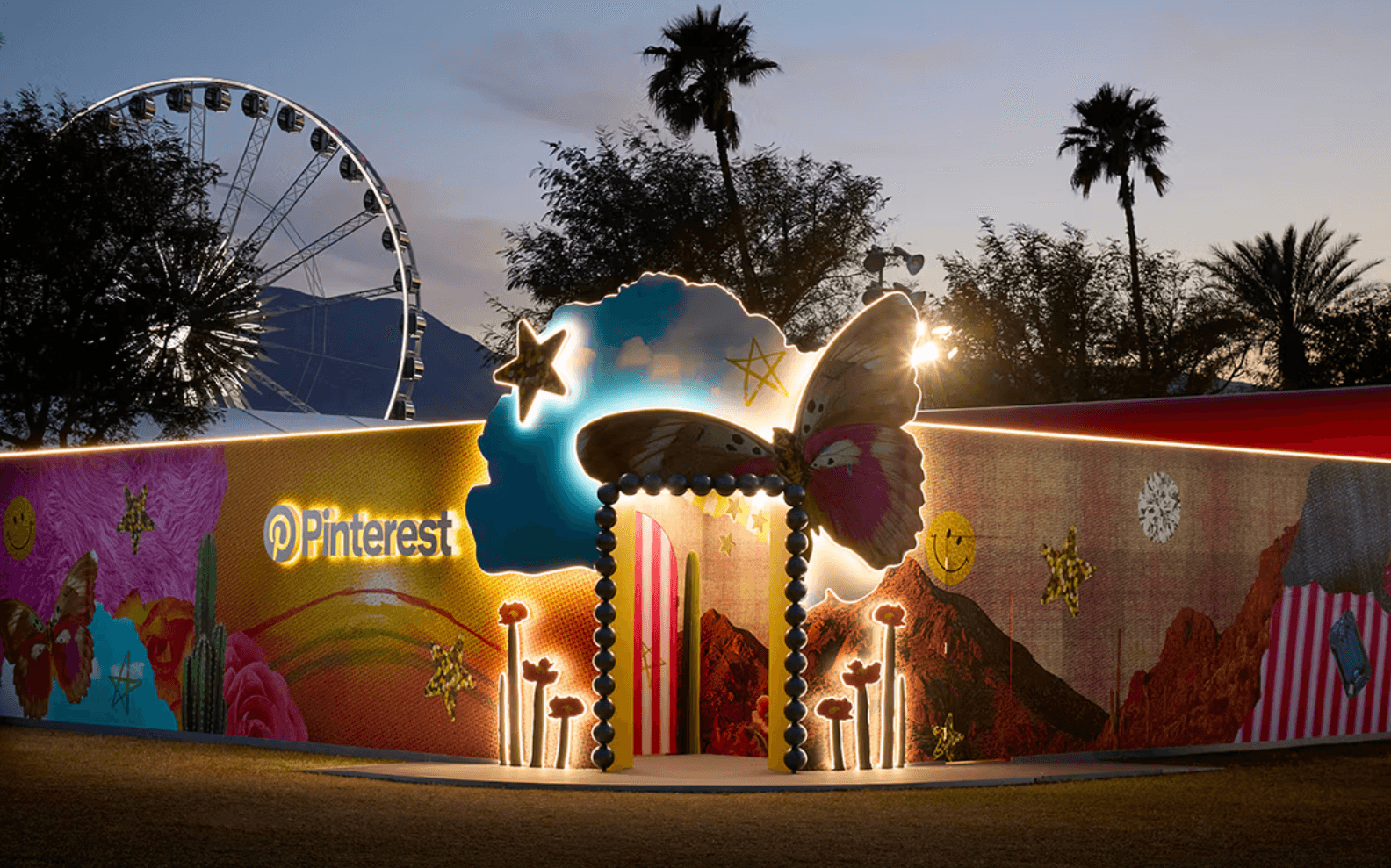
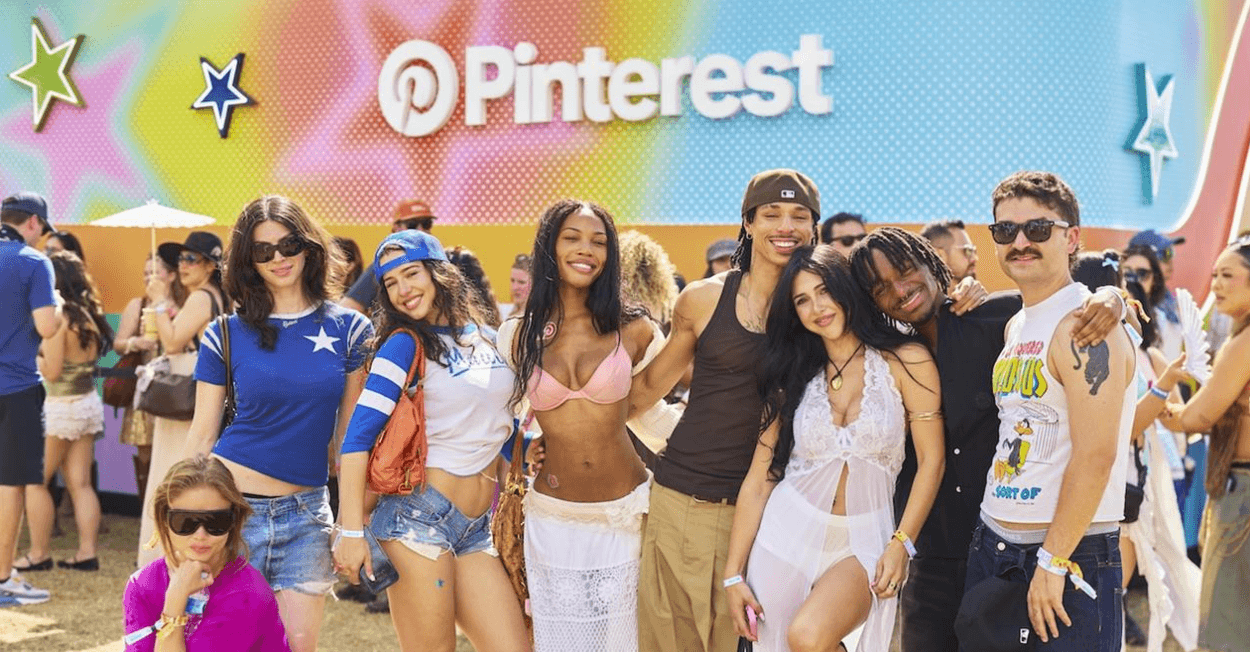
Pinterest, Coachella 2026
Rhode World
Rhode’s “Rhode World” activation leaned into immersion and cultural relevance, creating a one day pop up that combined product, entertainment, and interaction into a single, highly curated environment. Visitors engaged with games, live music, product touchpoints, and social moments, all designed to feel playful and participatory rather than transactional. The activation blurred the line between brand space and cultural moment, showing how physical environments can act as both experience and content engine, with digital amplification emerging naturally from what people encountered in real life.
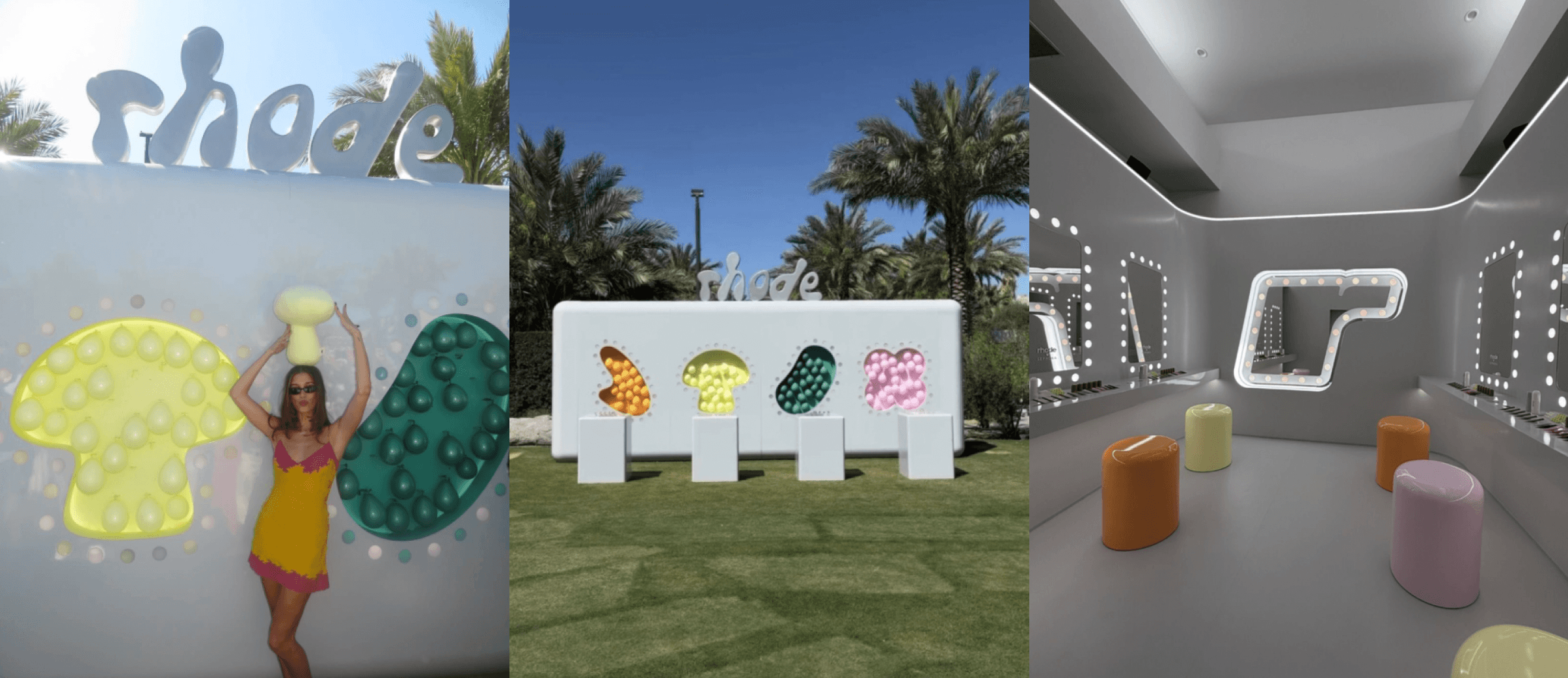
Rhode World, Coachella 2026
London Marathon 2026
Puma Nitro Lab
Puma’s Nitro Lab transformed the Institute of Contemporary Arts into a high energy hub that sat at the intersection of performance, creativity, and community. Across the marathon weekend, runners could customise kit, create personalised posters, test themselves in a live 1K treadmill challenge, and explore the brand’s latest NITRO innovation, all within a space designed to feel immersive rather than transactional. What made the activation stand out was how it extended beyond product into culture, with shakeout runs, community moments, and post race celebrations including food, tattoos, and medal engraving. The result was an environment that supported the full journey of the runner, from preparation to recovery, positioning the brand not just as a provider of performance gear, but as an active participant in the experience itself.
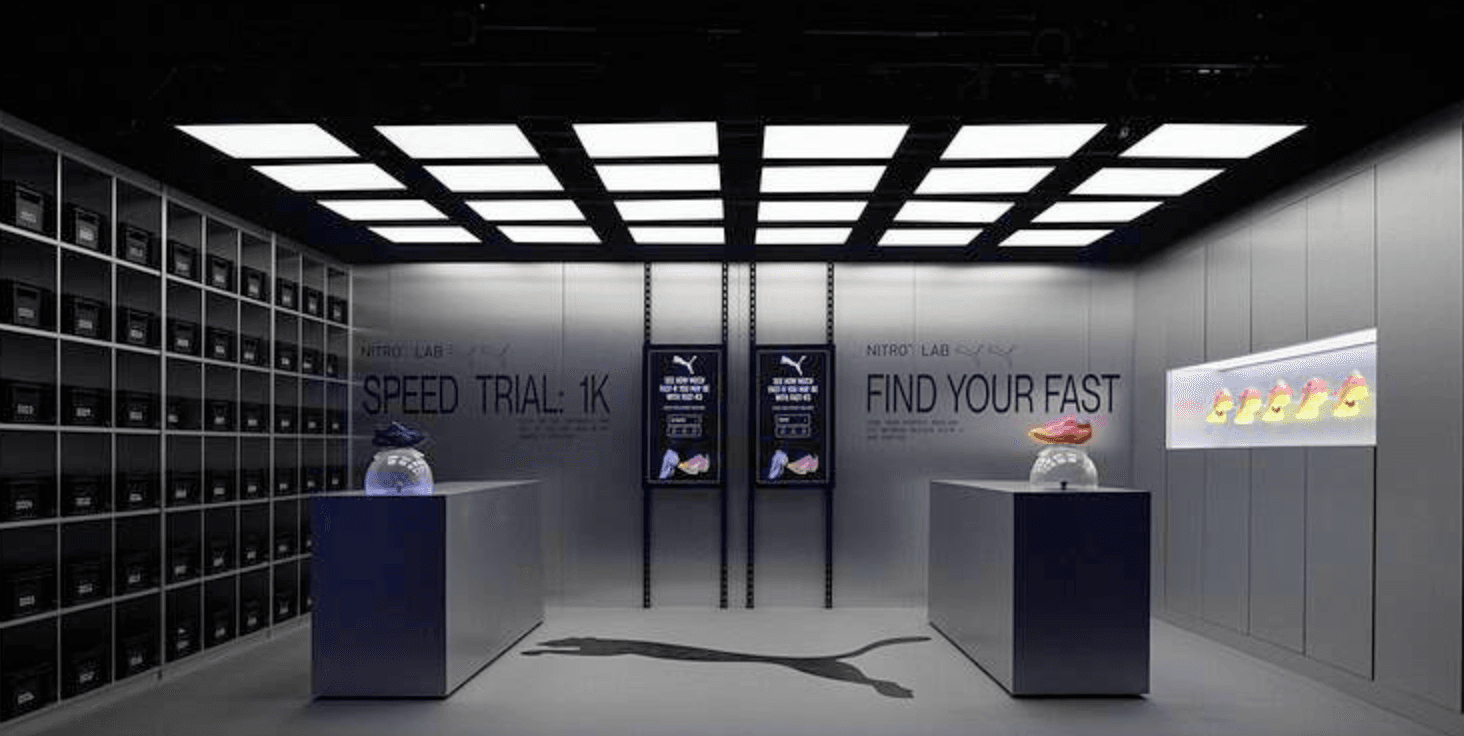
Puma Nitro Lab, 2026
New Balance London Run House
New Balance’s London Run House took a more community led approach, transforming Somerset House into a multi day destination that brought together runners, crews, creatives, and spectators in one shared space. Built around the idea that running is shaped by the people who participate in it, the activation combined workshops, panel discussions, installations, and storytelling, including a documentary and portrait series capturing London’s running culture across different boroughs. Positioned at mile 25 of the route, the space became both a physical and symbolic checkpoint, supporting runners as they approached the finish while celebrating the wider culture around the event. Rather than focusing purely on product, the Run House created a sense of belonging, reinforcing how brands can build relevance by embedding themselves within communities rather than simply marketing to them.
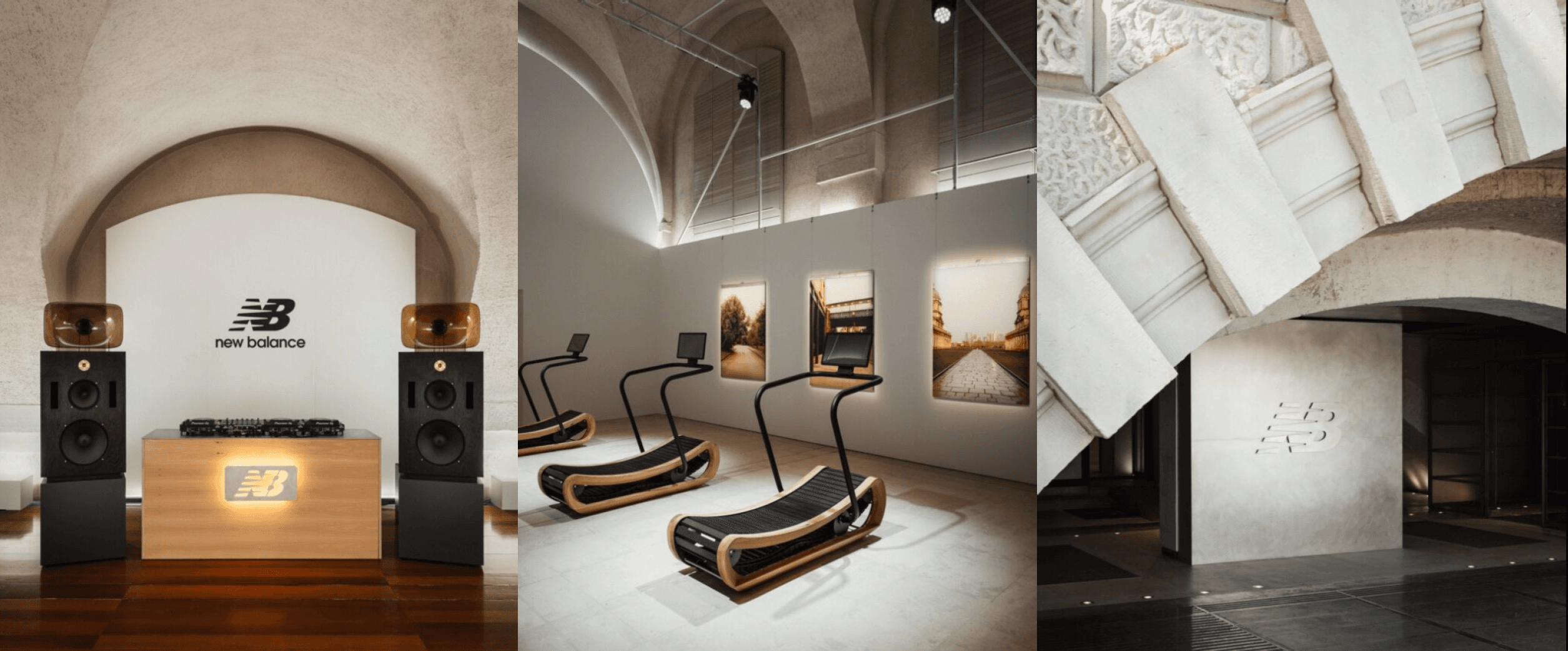
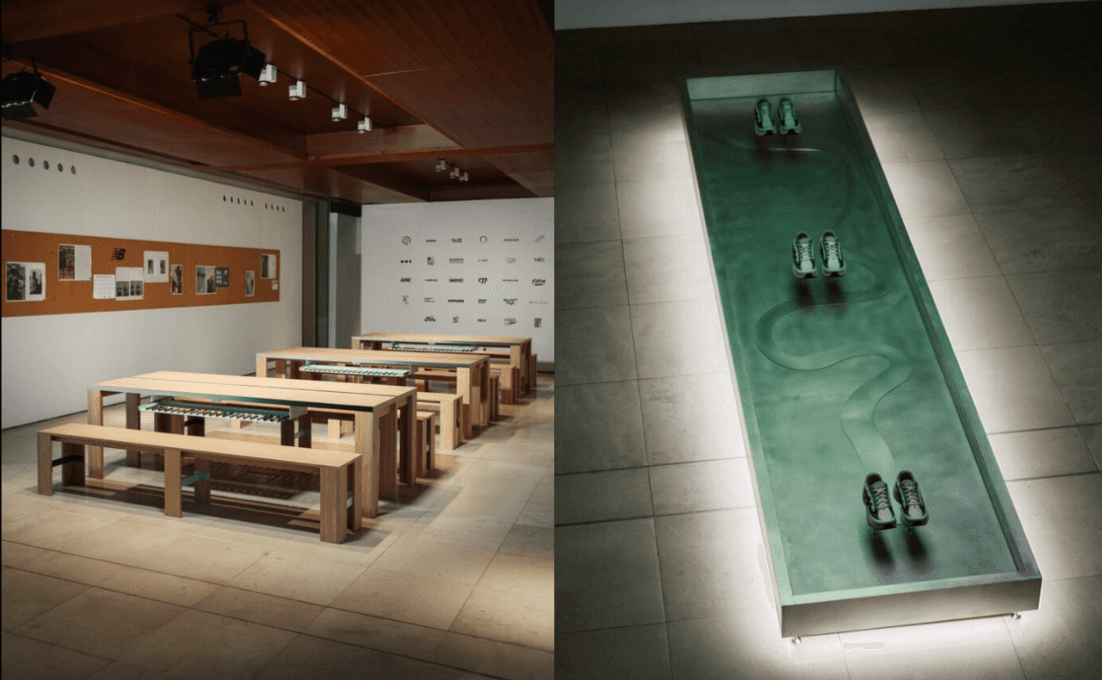
New Balance London Run House, 2026
Oner Active Recovery Van
Oner Active approached the marathon from a more mobile and responsive perspective, launching a recovery focused pop up van in Covent Garden designed to meet runners at a moment of real need. The activation offered practical support, positioning the brand as part of the recovery process rather than just the performance phase, and bringing its presence closer to where the audience naturally moved throughout the weekend. This kind of approach reflects a broader shift towards utility driven engagement, where the value of the experience lies in its immediacy and relevance. By focusing on care and timing, rather than spectacle, the brand created a more personal and grounded connection, reinforcing how real world usefulness can often carry more impact than visibility alone.
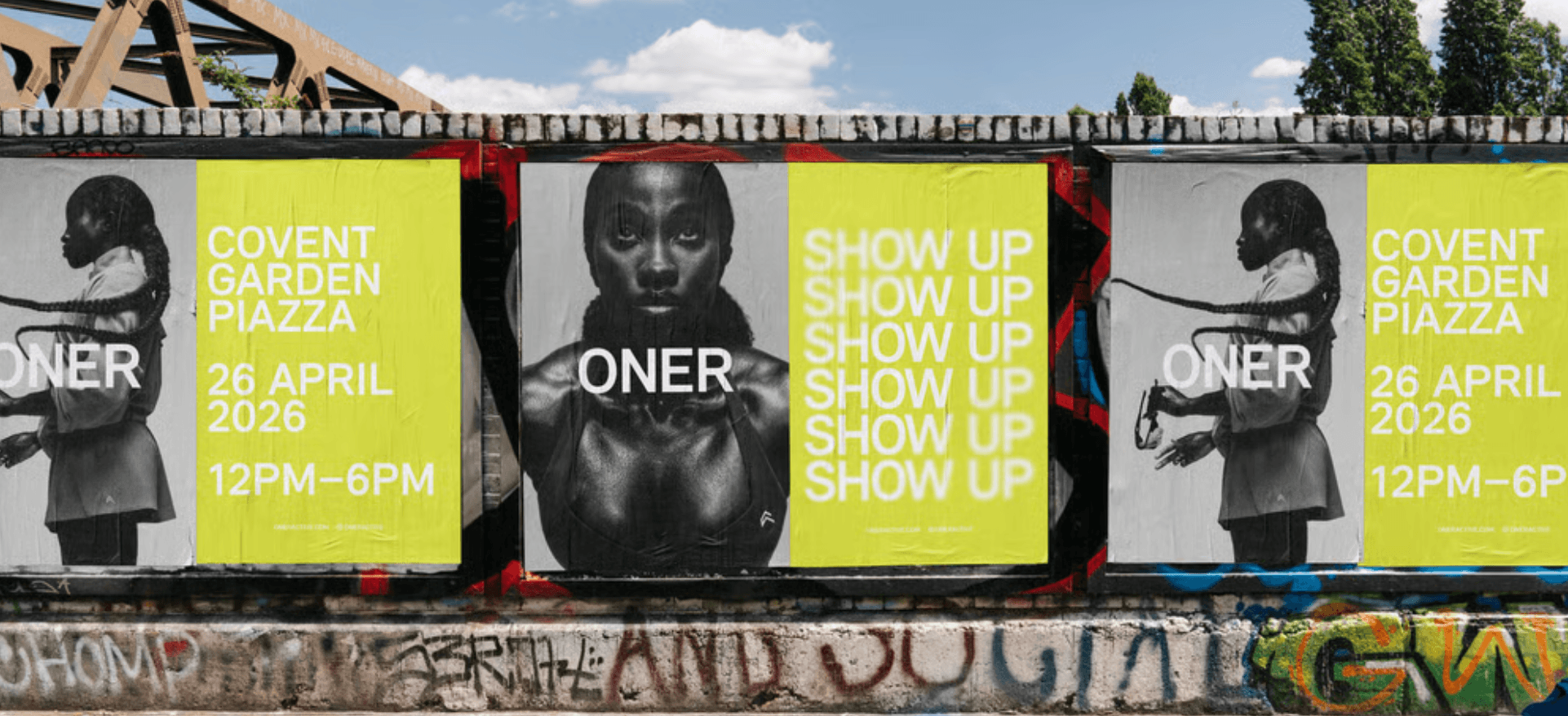
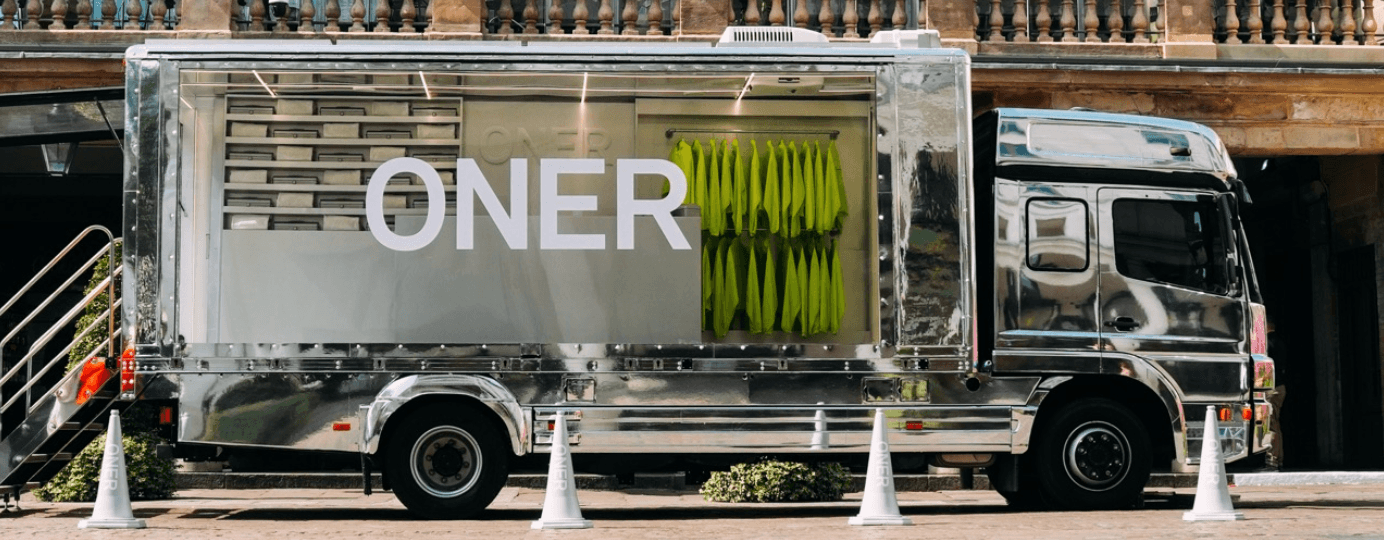
Oner Active Recovery Van, 2026
Two events, One Direction
Placed side by side, Coachella and the London Marathon reveal just how far this shift has spread. One is rooted in music, fashion, and global culture, while the other is defined by endurance, community, and personal achievement. Despite these differences, the role brands are playing within both is becoming increasingly similar, moving away from visibility alone and towards active participation in the experience itself. In each case, brands are not simply present, they are shaping environments, supporting moments, and finding ways to contribute meaningfully to what is already happening.
What emerges is a clearer model for how brand presence is evolving. Technology continues to underpin these experiences, but it operates in the background, enabling interaction and extending reach without dominating the moment.
The strongest activations are those that start with the real world, creating something people want to be part of, and then allow digital to amplify that experience in a way that feels natural and earned. For brands, this is where joined up thinking matters, bringing creative, media and experience together to create campaigns that understand the context they are entering and the role they can play within it.